22 Hrs
Source:
عربي21
عربي21
Ready to play
Ready to play
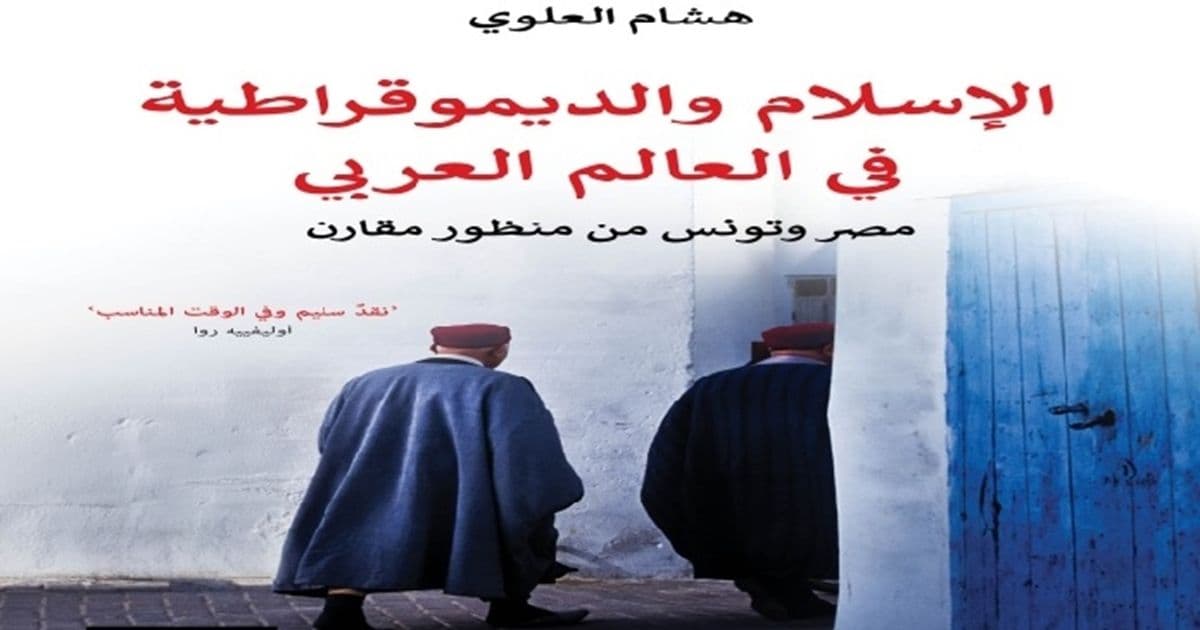
The article discusses the importance of Hisham Al-Alawi's book, "Islam and Democracy in the Arab World: Egypt and Tunisia from a Comparative Perspective," which examines the paths of democratic transition in the two countries following the Arab Spring revolutions. It explains that Tunisia's successful transitions were due to elite consensus, whereas Egypt faced a crisis because of the lack of agreement and military intervention, leading to a setback in the democratic process. The article emphasizes that the stability of democracy requires building effective institutions, strong political parties, and sound economic and social management, in addition to political consensus. It points out that a successful transition alone is not enough to guarantee the sustainability of a democratic system. Furthermore, it highlights that the post-consensus phase necessitates developing institutions and strengthening the balance of power among branches to enable the system to manage differences in a permanent and sustainable manner.
Notice: This Is an AI-Generated Summary






Comments (0)