4 Hrs
Source:
عربي21
Most Read






Source: عربي21
4 Hrsعربي21
Source: عربي21
4 HrsReady to play
Ready to play
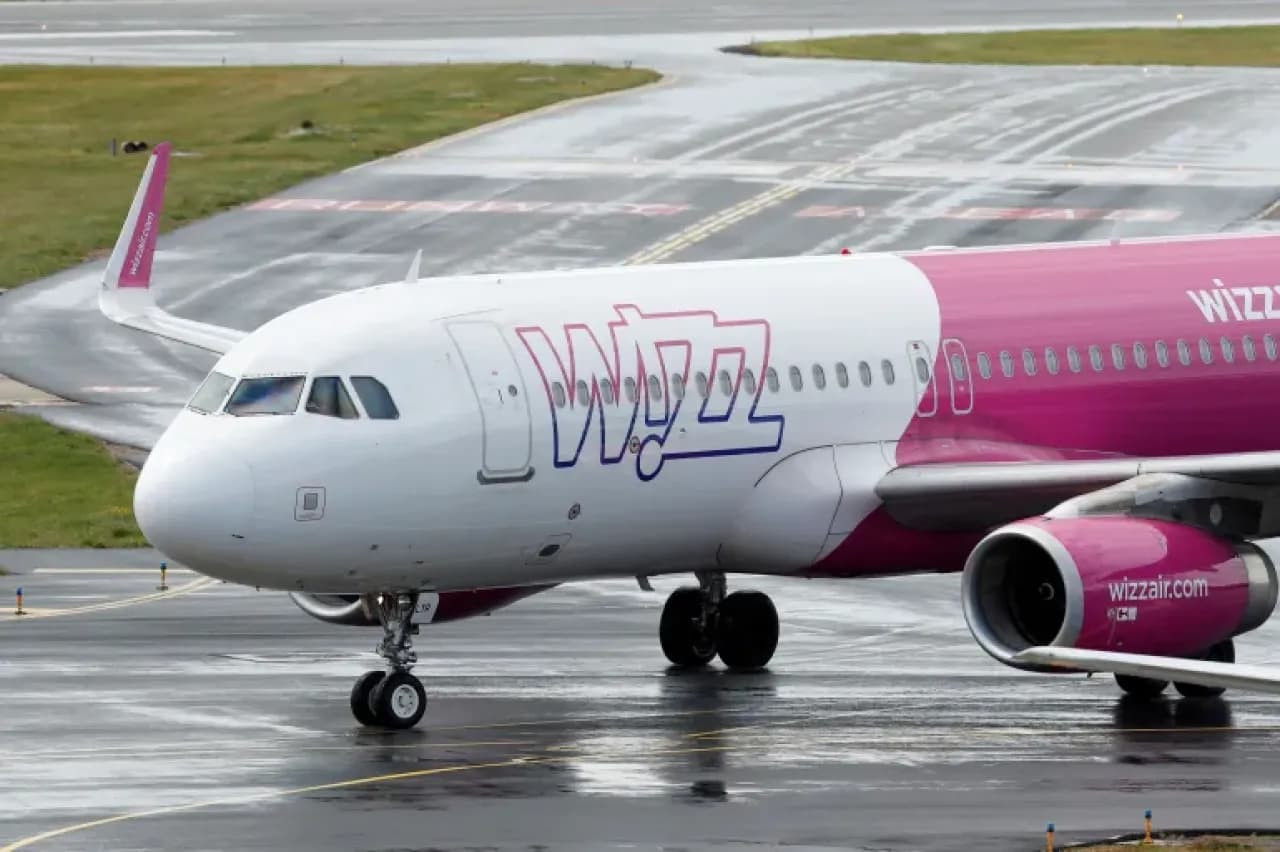
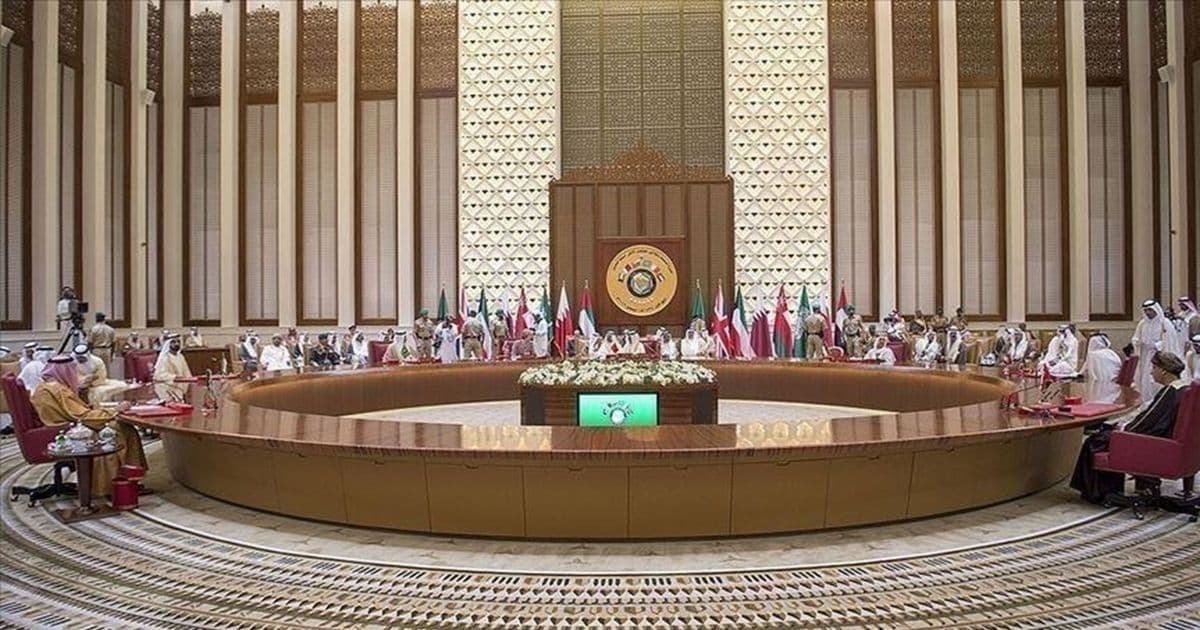
The economies of the Gulf Cooperation Council countries are facing an unprecedented contraction not seen in over fifty years, with the International Monetary Fund predicting that five of these economies will shrink in 2026 due to the repercussions of the war between the United States and Israel against Iran. The main reason for this contraction is a decline in oil and gas exports caused by disruptions in maritime navigation, along with a reduction in tourism and travel resulting from attacks on Gulf countries, particularly by the Houthi movement. It is expected that the Saudi economy will contract by 3.3%, the UAE by 3.9%, Qatar by 15.6%, Kuwait by 16.7%, and Bahrain by 11.3%. Meanwhile, Oman’s economy is projected to continue growing at a rate of 4.1%. This wave of contraction is the largest since the oil crises of the 1980s and the COVID-19 pandemic in 2020, with impacts extending to sectors such as aviation, tourism, and logistics services. Although Saudi Arabia appears more resilient thanks to its strategies for economic diversification and infrastructure development, ongoing military escalation adds to the challenges. This may hinder the full recovery of Gulf economies by 2027 and could potentially lead to a rapid decline in oil exports or market instability.
Notice: This Is an AI-Generated Summary
Comments (0)