20 Days
Source:
لبنان ٢٤
لبنان ٢٤
Ready to play
Ready to play
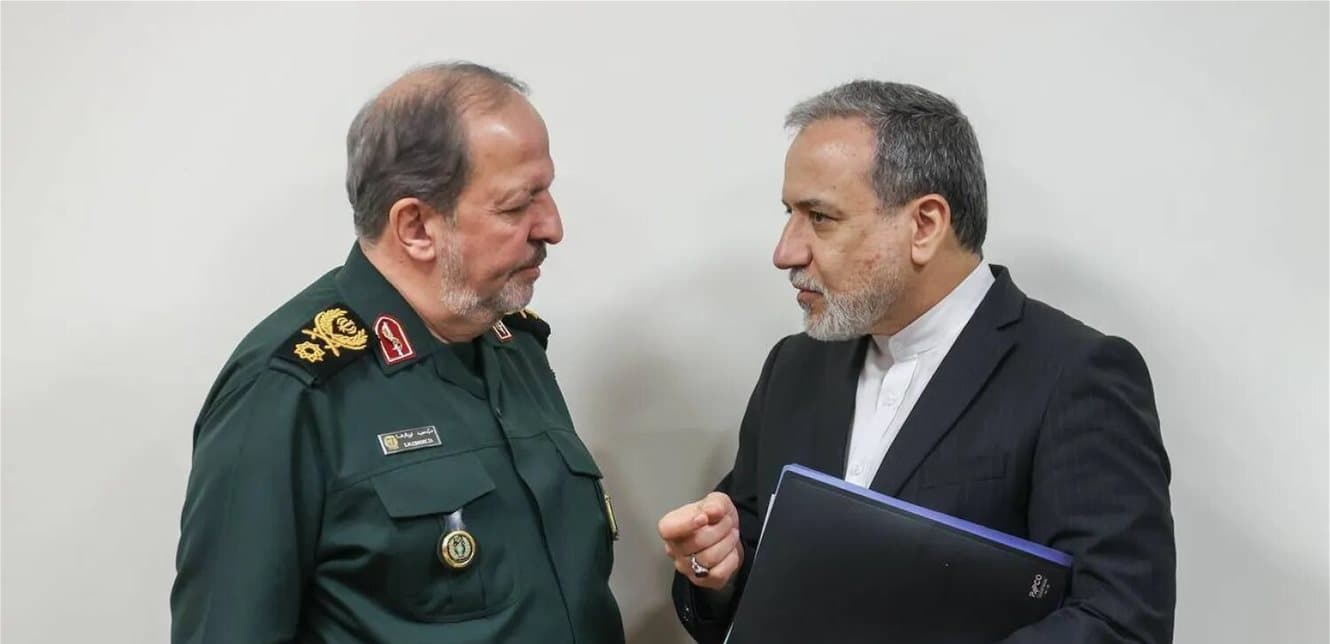
Iranian Foreign Minister Abbas Araqchi emphasized that the American and Israeli attacks that began on February 28 revealed the existence of an "security gap" at the highest levels of Iranian authority that remains unaddressed. The command complex in the Pasteur area, which includes offices linked to the Iranian Supreme Leader, was hit by three simultaneous attacks within seconds, targeting important meetings and senior officials, including the office of the Supreme Leader’s military assistant. Araqchi warned that this vulnerability is not limited to information leaks but also impacts decision-making and influences the psychological climate within senior institutions. He expressed concern that the gap has not yet been closed. He indicated that the attacks came amidst a broader military escalation and were part of an ongoing plan to potentially close the Strait of Hormuz if the Iranian leadership was targeted. Officials were aware of the risks associated with targeting the country's leader. He explained that these tensions stem from miscalculations and claimed that Israel decided to initiate a war that lasted 12 days in June 2025 after failing to secure the desired concessions from Iran through negotiations. Araqchi stressed that Iran refused to suspend its nuclear activities despite threats, believing that acceptance would aid the enemy in continuing its war. He affirmed that the war was a collective decision due to the failure of negotiations and that Iran had prepared well for this possibility from the outset, using nuclear deterrence as part of its strategic approach.
Notice: This Is an AI-Generated Summary


Comments (0)