1 Day
Source:
الكتائب اللبنانية
الكتائب اللبنانية
Ready to play
Ready to play
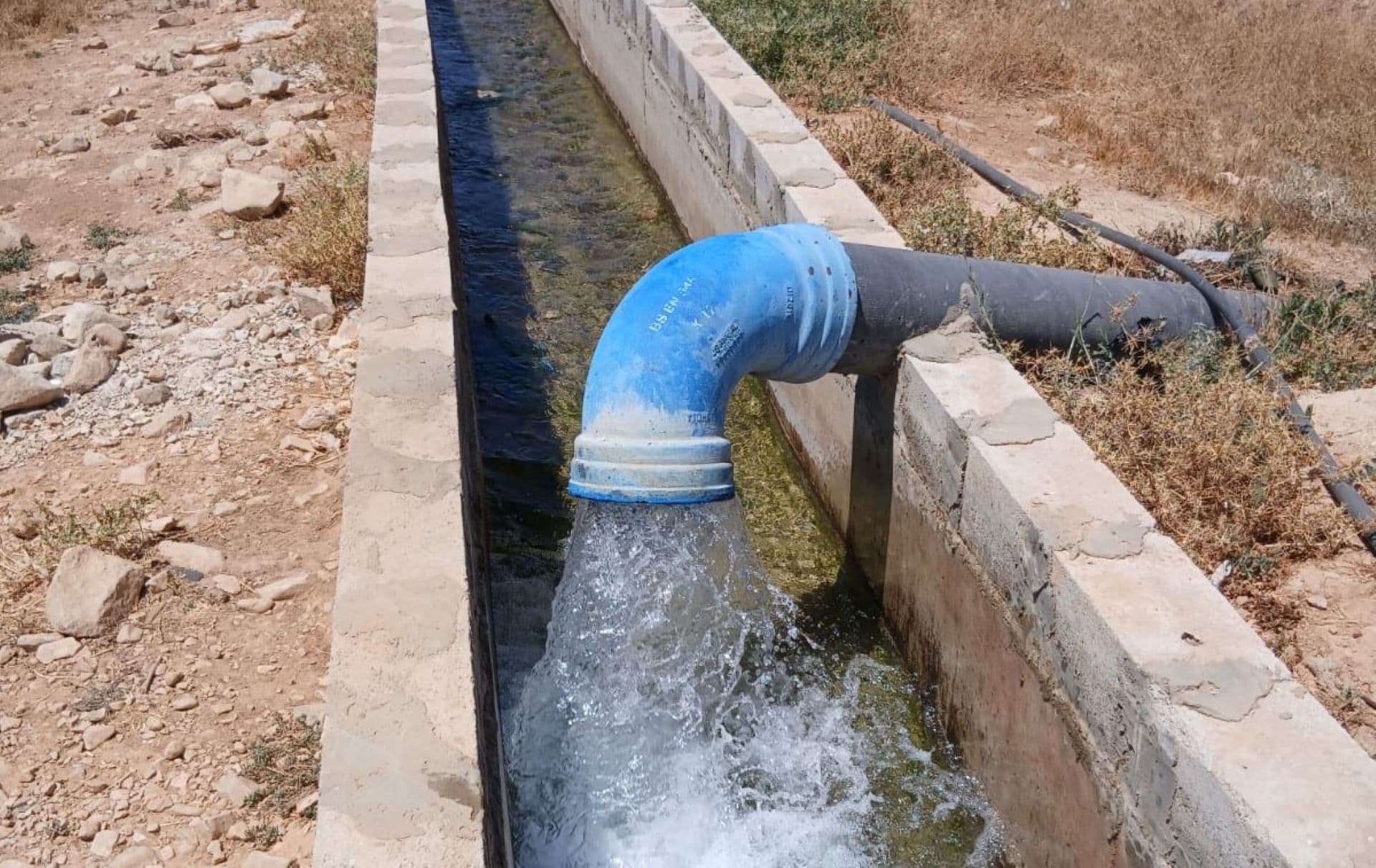
The article points out that the drying up of artesian wells in the Qa’a Plain of the Bekaa Valley in Lebanon, despite a good rainy season, serves as a dangerous indicator of the collapse of Lebanon's largest underground water reservoir. The report explains that this is because the recharge of the basin depends on snow melting and accumulation during the spring, whereas heavy rains that fall rapidly lead to surface runoff that does not seep into the ground. Additionally, excessive groundwater exploitation—particularly through a large number of unregulated wells—has caused a sharp decline in water levels, threatening food security and the stability of rural communities in the area. The report issues warnings calling for urgent measures, including regulating water usage, improving irrigation techniques, and protecting the environment to ensure the sustainability of this vital resource. Overexploiting it could lead to an environmental, social, and economic disaster.
Notice: This Is an AI-Generated Summary


Comments (0)