9 Hrs
Source:
لبنان ٢٤
لبنان ٢٤
Ready to play
Ready to play
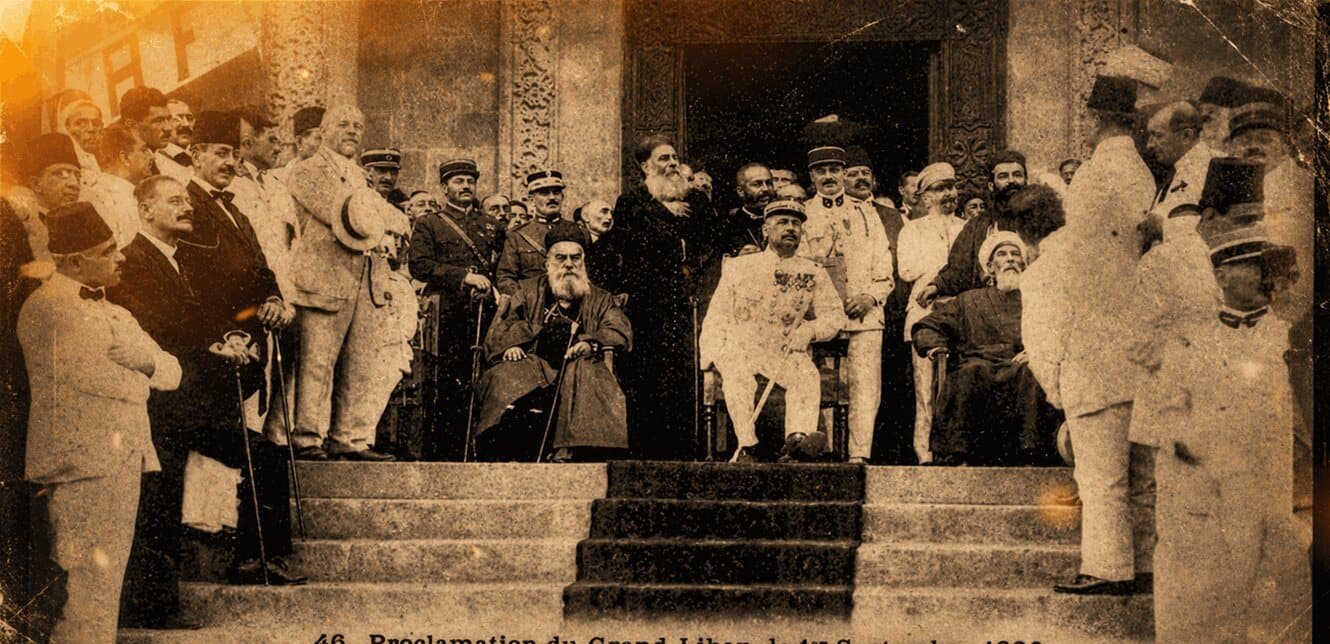
The article discusses the role of Patriarch Elias Hoyek in shaping Lebanon's future after World War I. He demonstrated strong courage by personally traveling to Paris in 1919 to negotiate with the victorious world leaders, carrying a mandate from representatives of all Lebanese sects. During the negotiations, he demanded full independence and sovereignty for Lebanon but was compelled to partially relent and accept the French Mandate, while securing guarantees for Lebanon's rights. He believed that Lebanon had achieved independence from neighboring countries, but its complete sovereignty had not yet been realized. He also focused on defining Lebanon’s borders and secured a pledge for the transfer of districts and coastal cities, paving the way for the declaration of Greater Lebanon in 1920. Hoyek fought against external and internal pressures, resisting attempts to integrate Lebanon into larger Arab entities, and emphatically emphasized its independence and distinct identity. He established a system of sectarian parliamentary representation reflecting the country’s diversity. His political legacy lies in leveraging popular legitimacy and balancing steadfast principles with flexibility, pioneering a negotiation approach vital for building the Lebanese state. This approach relied on the principle of coexistence among sects as a treasured asset.
Notice: This Is an AI-Generated Summary




Comments (0)