Recently
Source:
نداء الوطن
نداء الوطن
Ready to play
Ready to play
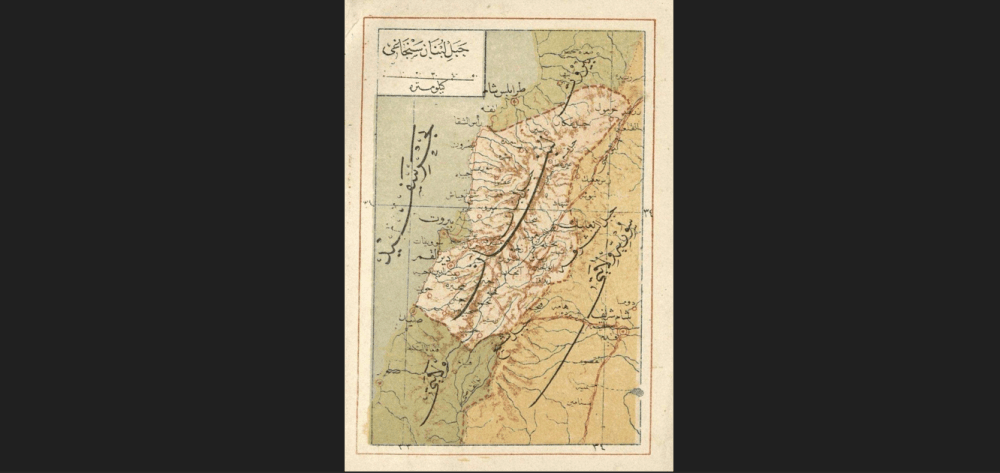
The article discusses the history and the issue of "Greater Lebanon" and its impact on national identity and Lebanese policies since its establishment in 1920. It explains that the project of Greater Lebanon was strongly imposed by French military force on its Muslim populations, and was initially rejected by the Shiite and Sunni communities, leading to violence and bloodshed, especially in Jebel Amel and the coast. It also points out that expanding Lebanon’s borders, announced in 1920, created a structural crisis, as Christian factions attempted to build a state that would overcome sectarian and geographic challenges. However, this expansion resulted in problems related to identity and governance. The article emphasizes that the historical control by certain sect leaders was never part of a unified nation project, and that reviving Lebanon’s borders through the era of Bechara El Khoury is a selective reinterpretation of history. Before 1920, Lebanon’s borders were not fixed, and family and political influence were tied to power struggles rather than a cohesive national plan. The conclusion is that the expansion of Lebanon’s current borders was a disaster, and history is unforgiving. It stresses that the right to resist domination and uphold dignity does not grant the authority to draw artificial borders or to repeat old divisions indiscriminately.
Notice: This Is an AI-Generated Summary




Comments (0)