




Lebanese Army Tunnels Dedication

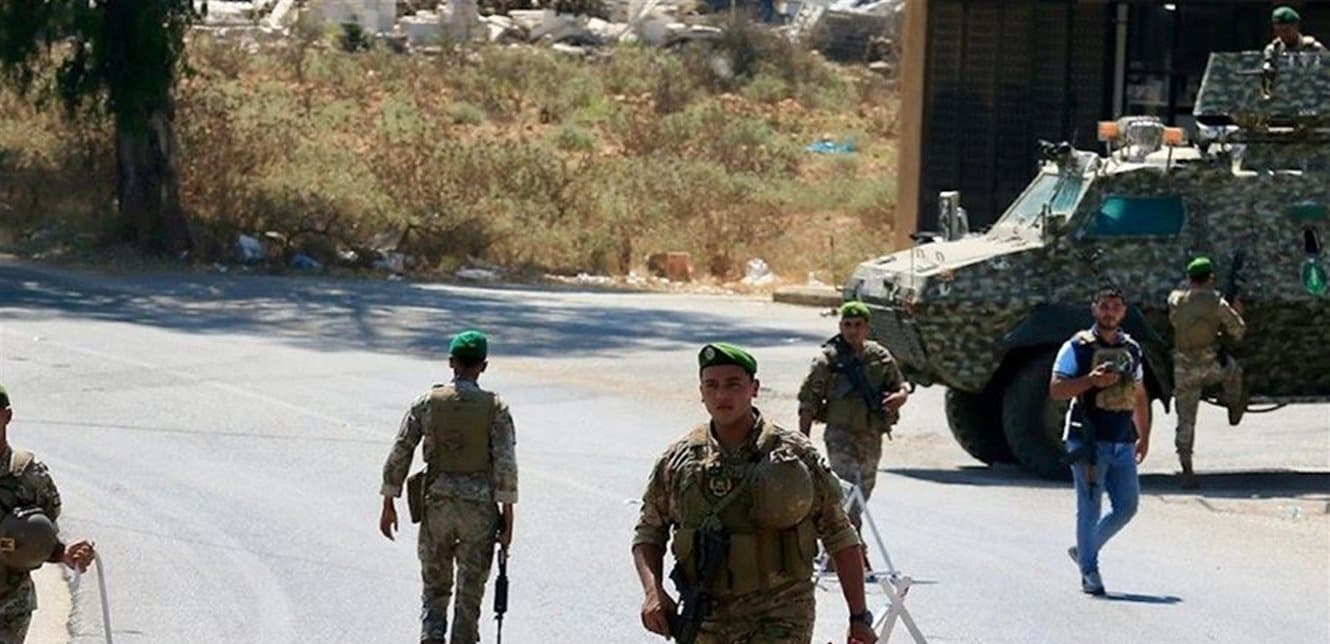
Lebanon and the Lebanese army face a significant challenge in managing the Israeli withdrawal from the designated areas. This requires establishing full control over both above-ground and underground terrains, especially considering the tunnels and subterranean activities that do not appear on traditional maps. Developments such as the army’s entry into areas like Western Zahrani have demonstrated that the challenge is not limited to surface deployment alone but also involves dealing with the tunnel networks excavated over decades by Hezbollah’s forces. These include residential chambers, storage facilities, medical units, and passages within underground structures. Reports indicate that destroying or gaining control of these tunnels demands determination and ongoing efforts, along with supporting the Lebanese people, strengthening the nation’s sovereignty, and confronting the erosion of Hezbollah’s influence—particularly as Iran’s focus shifts to the Strait of Hormuz. This makes Lebanon a pawn in larger regional conflicts. Experts emphasize that Lebanon’s success in ending the weapon duality and fostering national unity is directly linked to the weakening of Hezbollah’s influence. They caution that continued external and Israeli activities threaten Lebanon’s unity and sovereignty, but also present an opportunity to build a unified future through a single army and a single state.
Notice: This Is an AI-Generated Summary
Comments (0)