14 Hrs
Source:
لبنان ٢٤
لبنان ٢٤
Ready to play
Ready to play
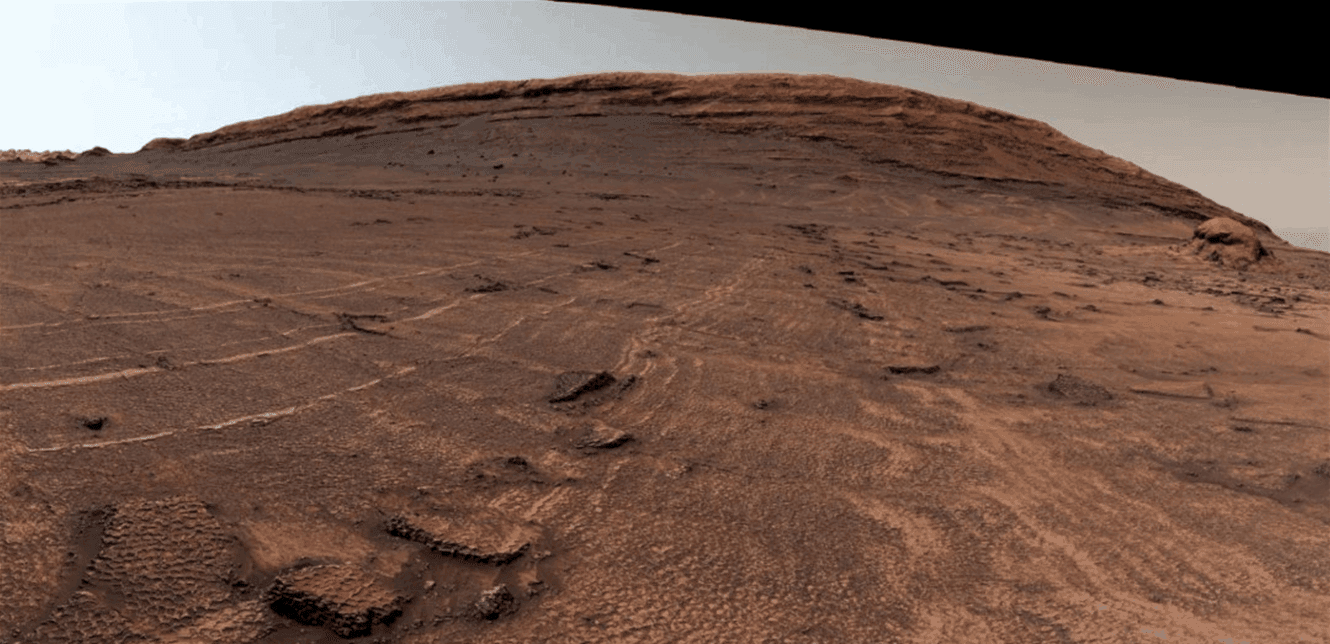
The NASA Curiosity rover detected an unusual scene on the surface of Mars: a vast area of polygonal cracks within a valley called Valle Grande. These formations, scientifically known as polygonal fractures, were not new to the mission, but the size of the discovery is remarkable, with the polygonal patterns extending in all directions, creating a "sea of polygons." It is believed that these shapes may result from the cracking of clay caused by temperature and temperature cycles or pressure that expels water from the sediments, indicating that water was once present in the region. Scientists hope that chemical data and images will help understand how these formations were created, and the findings confirm that Mars was more humid and complex in the past than it appears today.
Notice: This Is an AI-Generated Summary









Comments (0)