




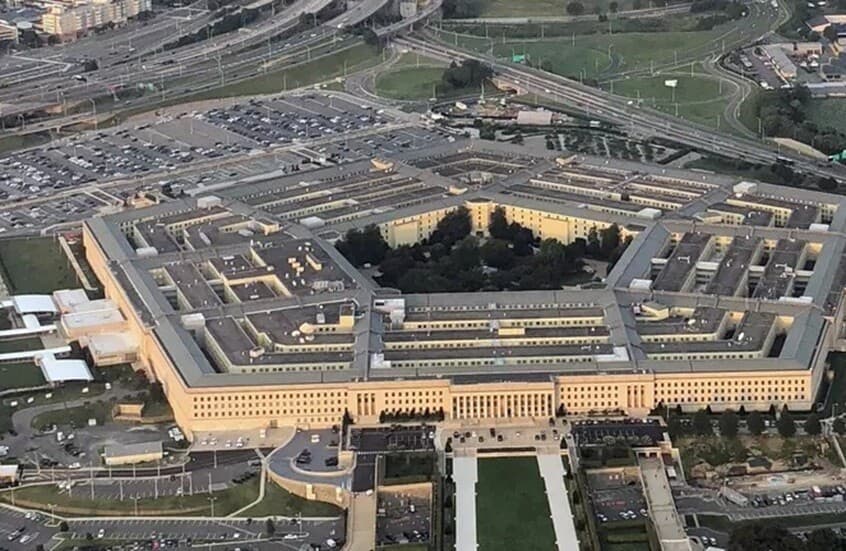

U.S. Oil Reserves Reach 1983 Low
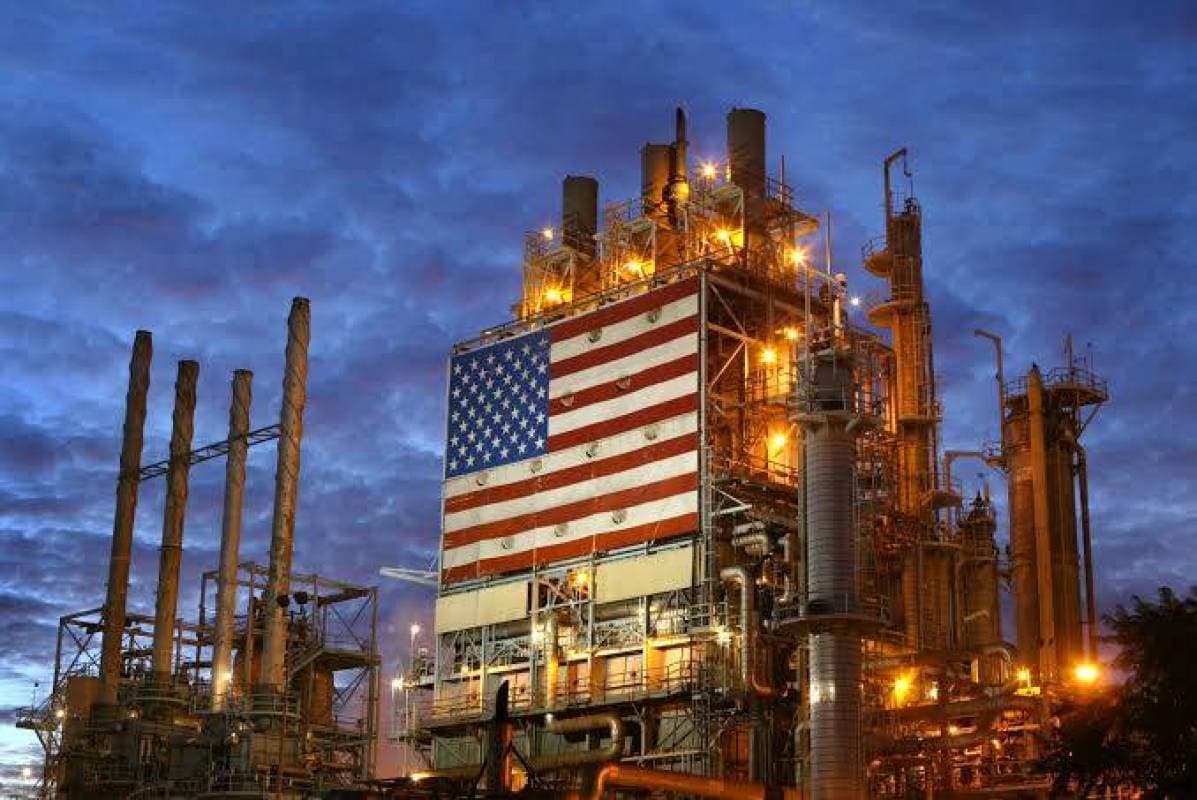
The article reveals that the United States' strategic oil reserve has fallen to its lowest level since 1983, covering only about 43 days' worth of oil supplies. This decline is due to the U.S. administration utilizing a portion of the reserve to contain rising energy prices caused by disruptions in oil supplies through the Strait of Hormuz. The remaining stockpile amounts to approximately 304.8 million barrels after releasing about 108.6 million barrels, as part of a plan to draw 172 million barrels over 120 days. Amidst navigation disruptions in the Strait of Hormuz, which accounts for one-fifth of global oil trade, the situation has led to widespread turmoil and increased oil prices. Crude prices rose by around 5% between July 8 and 17, impacting the economies of energy-importing countries such as South Korea, Vietnam, and China, which have significantly reduced their imports. The United States faces challenges in using its strategic reserves, as depletion limits its ability to respond to future shocks—especially given ongoing tensions in the region. Additionally, rising fuel prices have sparked political pressures on Trump, who criticized major oil companies and demanded lower prices. Meanwhile, market volatility and the sluggish transmission of price changes to consumers continue to affect the American economy.
Notice: This Is an AI-Generated Summary
Comments (0)