24 Hrs
Source:
دايلي بيروت
دايلي بيروت
Ready to play
Ready to play
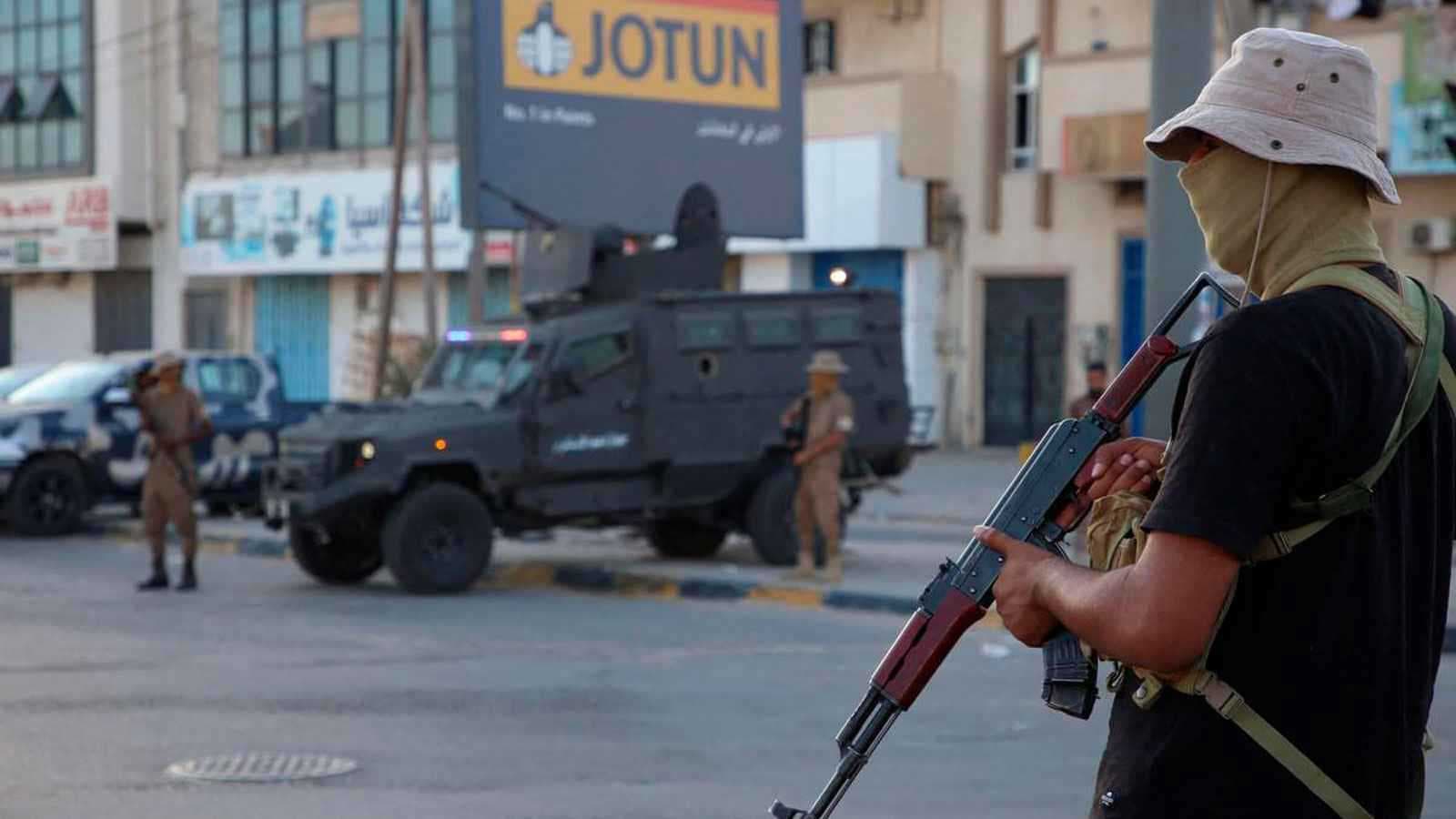
The report indicates that a land corridor stretching across Mali, Niger, and Libya is currently used to smuggle up to three tons of cocaine annually. This route is a key strategic pathway for financing armed groups and conflicts in the region, despite maritime shipping dominating most of the shipments. The expansion of cocaine smuggling across West Africa since 2019 is attributed to increased production in Latin America, rising demand in Europe, intensified scrutiny of direct smuggling routes, and improved land transport networks. Political and military control fluctuations influence trafficking routes; periods of stability allow larger quantities to pass, while violence and shifting alliances alter smuggling pathways. State-affiliated entities control the most profitable segments of the trade, and armed groups participate in protecting shipments in exchange for revenue. The report recommends strengthening intelligence cooperation between Latin American countries, West Africa, North Africa, and Europe, as well as imposing sanctions on major traffickers and intermediaries to prevent funding of criminal networks.
Notice: This Is an AI-Generated Summary


Comments (0)