24 Hrs
Source:
دايلي بيروت


Source: دايلي بيروت
24 Hrsدايلي بيروت
Source: دايلي بيروت
24 HrsReady to play
Ready to play
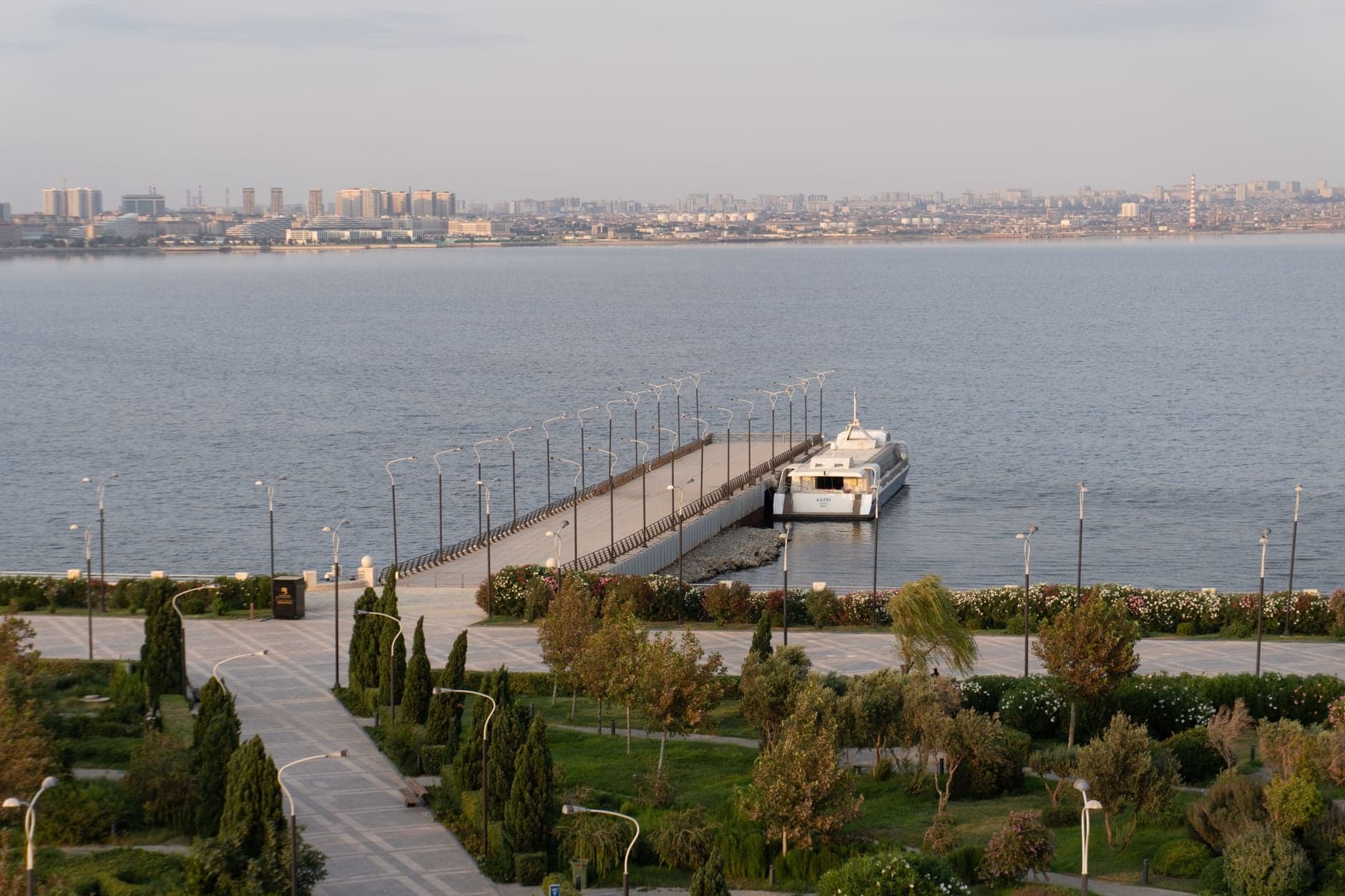
According to intelligence reports and strategic analyses, the Caspian Sea has become a main channel for transporting weapons and military equipment between Russia and Iran, operated outside of international oversight. The sea's geographical location—surrounded by only five countries—gives Moscow and Tehran a unique "geopolitical" environment, allowing military vessels and supplies to circumvent international monitoring tools. This is particularly significant given that the Caspian Sea is not fully governed by the United Nations Convention on the Law of the Sea and relies on the Aktou Agreement, which prohibits the presence of foreign military forces in its waters. As a result, reliance on international shipping routes has decreased, enhancing Russia and Iran's ability to use it as a closed corridor for arms transfer. This development has raised concerns among neighboring countries about escalating security risks and disruptions to trade routes, reflecting a complex legal and geopolitical entanglement that complicates the control of military movement in the region.
Notice: This Is an AI-Generated Summary
Comments (0)