24 Hrs
Source:
الكتائب اللبنانية
Advertisement
Advertisement



Source: الكتائب اللبنانية
24 HrsAdvertisement
الكتائب اللبنانية
Advertisement
Advertisement
Source: الكتائب اللبنانية
24 HrsAdvertisement
Ready to play
Ready to play
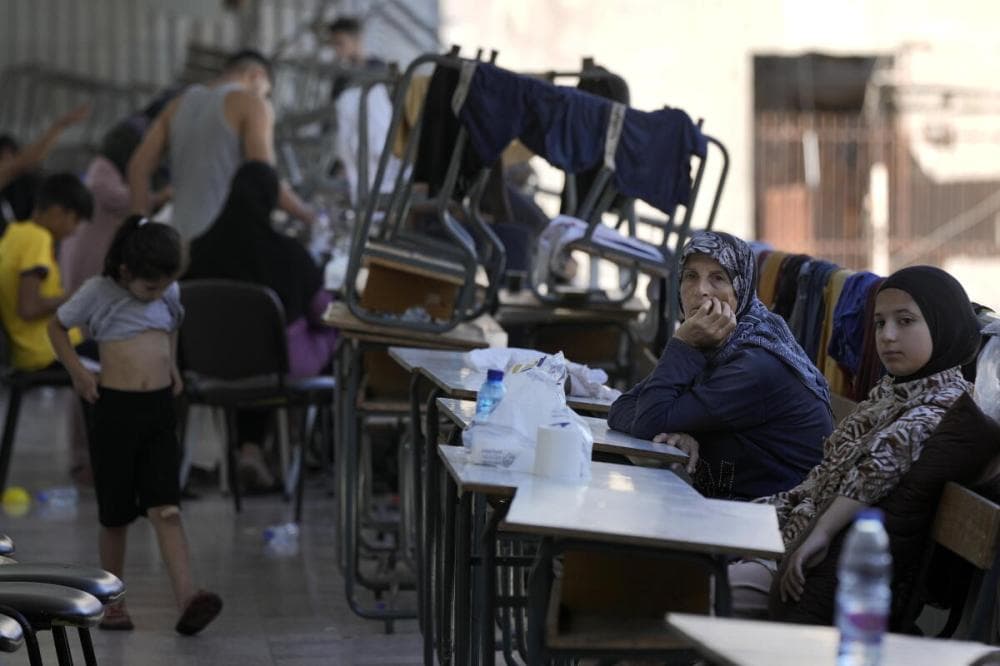
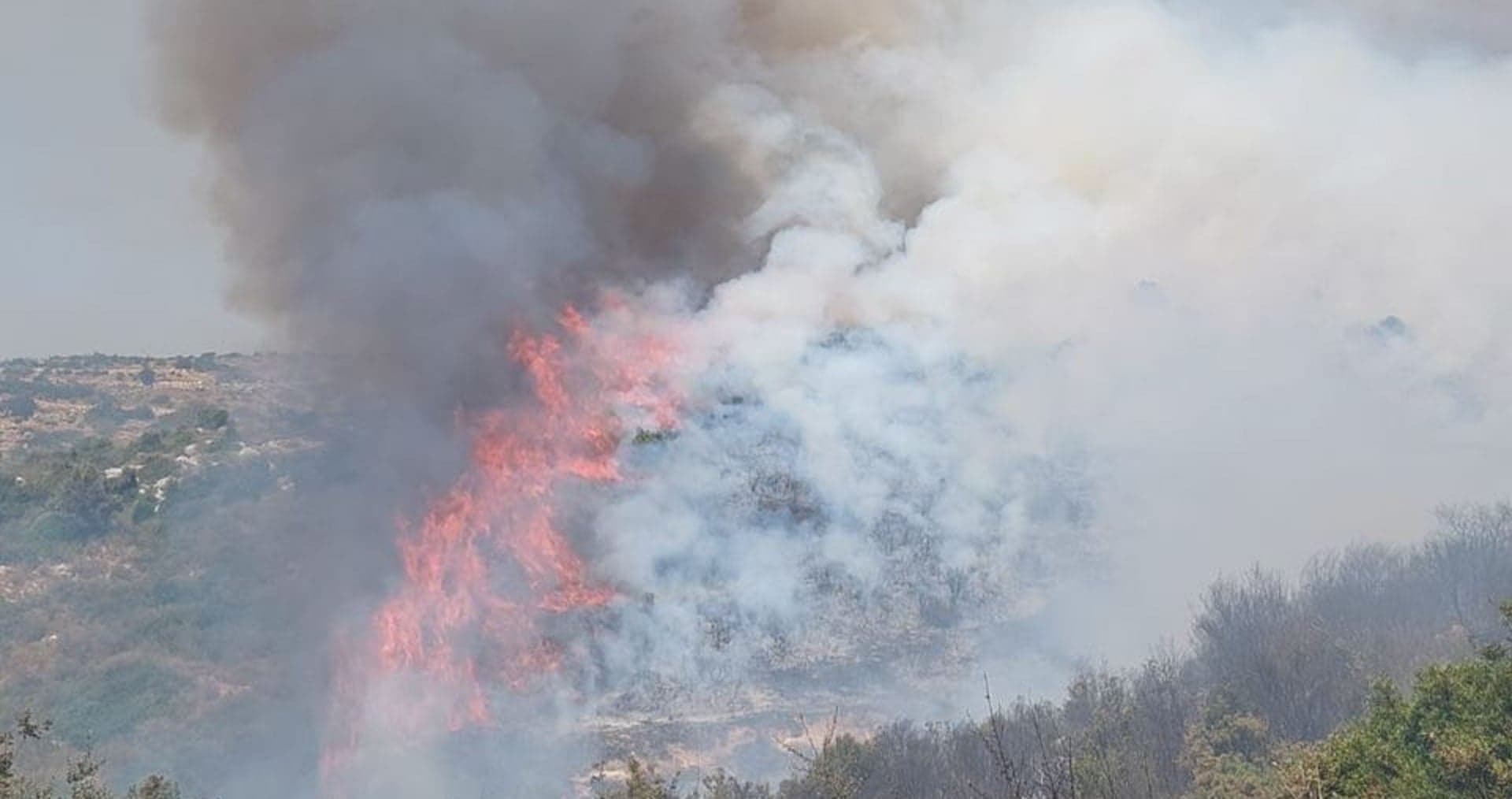
The article addresses the food security crisis in Lebanon and the impact of war on the agricultural sector and production infrastructure. The report indicates that 20% of the population have been internally displaced, and around 19% face severe food insecurity. Food prices have risen by 20% compared to last year. Approximately 56,264 hectares of agricultural land have been damaged, including 18,406 hectares of olive trees, which are considered a national symbol, and 8,460 hectares of citrus crops. Beekeeping has also been heavily affected, with more than 50,000 hives destroyed. The soil has been seriously impacted, with over 45% of samples showing high levels of chromium contamination, threatening the future viability of the land. The economic cost of the war to the agricultural sector has exceeded $800 million up to mid-2026, with losses extending over several years. An urgent national plan is needed to rehabilitate production, including supporting farmers, conducting soil and water tests, and revitalizing the food industries. Losses in land and agriculture threaten national security, Lebanon’s breadbasket, and its food sovereignty. The crisis must be treated as a national disaster requiring urgent measures.
Notice: This Is an AI-Generated Summary
Comments (0)