6 Hrs
Source:
الكتائب اللبنانية
الكتائب اللبنانية
Ready to play
Ready to play
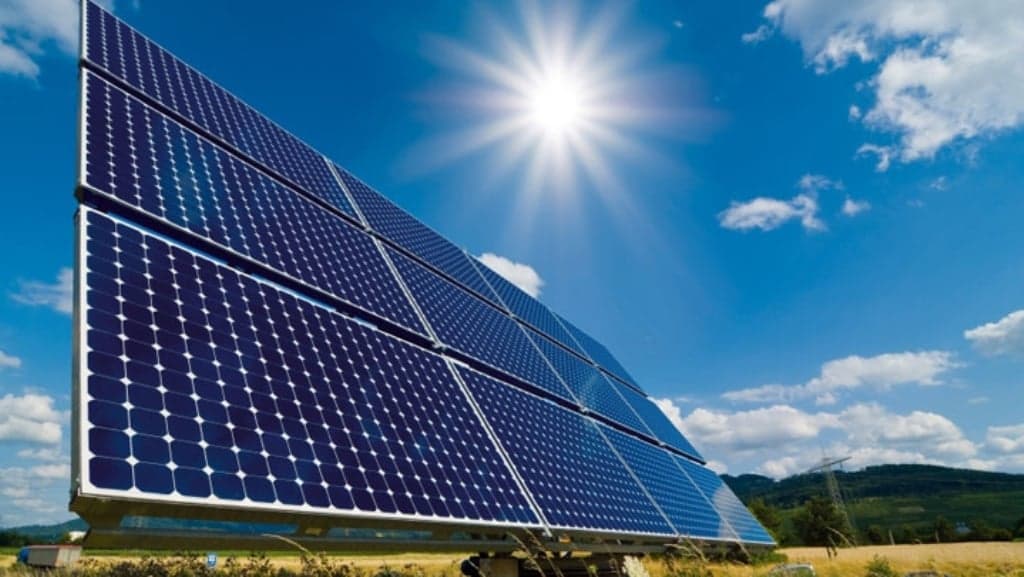
Lebanon has experienced an unprecedented expansion of solar energy in recent years, with the cumulative capacity of solar systems increasing from less than 0.3 megawatts in 2010 to approximately 1.08 megawatts by the end of 2023, making it a key part of the national electricity grid. However, this development raises environmental concerns due to the issue of accumulating damaged or expired solar panels, especially after a significant portion of them was damaged during the 2024 war, with estimated damage areas ranging between 93 and 104 square meters. United Nations and ESCWA reports warn that damaged panels, if not properly managed, could release dust and hazardous chemicals, complicating electronic waste management—a problem that will grow as solar systems proliferate. Projections indicate an increase in battery waste alongside the deterioration of older systems, all amid a lack of effective infrastructure and regulatory frameworks to address this issue. This underscores the urgent need for Lebanon to develop a clear plan to handle the millions of used panels and batteries in the future, ensuring sustainability and environmental protection.
Notice: This Is an AI-Generated Summary






Comments (0)