10 Hrs
Source:
قناة المنار
قناة المنار
Ready to play
Ready to play
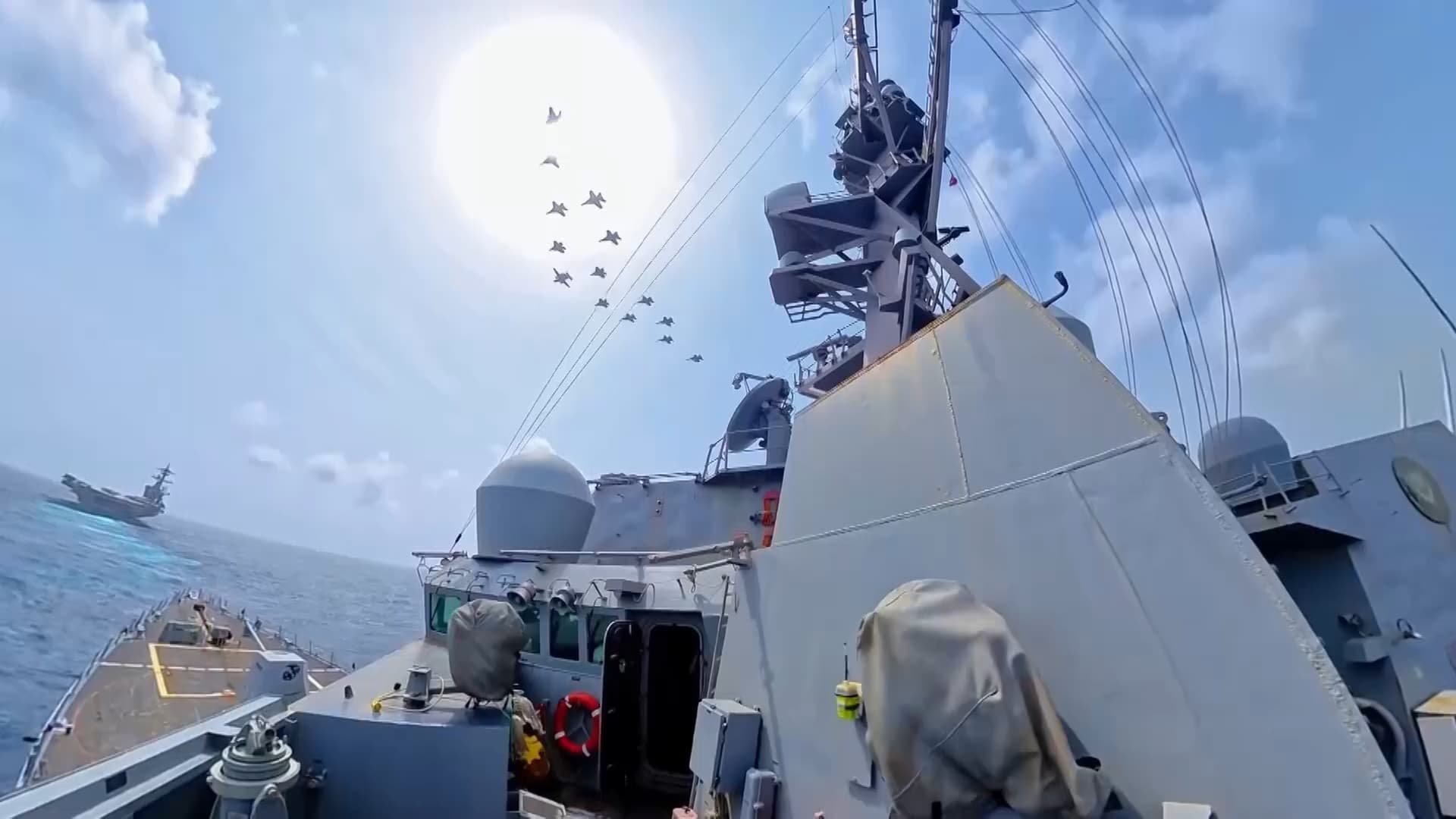
The article discusses the deterioration of the strategic position of U.S. military bases in the Gulf and Western Asia following the Iranian attack on February 28, 2026. It confirms that this attack revealed how the U.S. base network—built around an integrated functional distribution—has become more vulnerable to Iranian missile and drone strikes, threatening its deterrent capabilities and ability to safeguard interests. It also notes that Iran directly targeted key components of the CentCom system, such as command centers, radars, and supply lines, aiming to weaken U.S. operational capacity and increase the cost of confrontation. The analysis further shows that the United States has begun to adapt by dispersing its forces and centers more broadly, gradually shifting from a model of fixed bases to more resilient and widespread networks, with less reliance on large bases near Iran due to the increasing threat posed by Iranian missiles and drones. Consequently, the future of U.S. bases in the region appears to be moving away from the traditional image of large, secure bases toward greater reliance on mobile sites, asset dispersion, and multi-layered defense systems, all aimed at enhancing adaptability and protecting military interests from the growing Iranian threats.
Notice: This Is an AI-Generated Summary





Comments (0)