14 Hrs
Source:
التيار الوطني الحر
التيار الوطني الحر
Ready to play
Ready to play
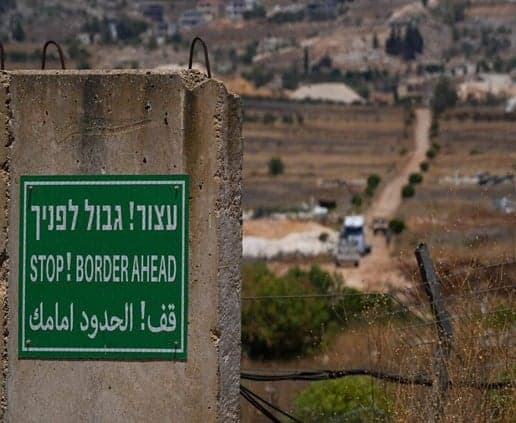
The article clarifies the reasons and implications related to banning real estate sales along the Lebanese borders, especially in the occupied areas. It indicates that this measure is part of a broader concern over attempts to transform the occupied regions into extensions of the occupying entities, through real estate transactions linked to long-term strategic goals. Historical documents, including a French report from 1934, reveal that such sales had been ongoing for some time, with the Zionists engaging in large-scale purchases in southern Lebanon, aiming to depopulate those areas and facilitate settlement and colonization efforts. The article also mentions the Lebanese government's actions, represented by the Minister of Finance, to prevent sales in these occupied regions by issuing decisions and laws to prohibit any transfer of ownership until the occupation is lifted. It explains that these measures form part of wider plans to preserve Lebanon’s sovereignty and counter Israeli attempts, which may employ various means—including legal manipulation through intermediaries or real estate firms—to enhance control over border areas. Furthermore, historical documents, including a French record from 1934, are referenced to demonstrate activities involving brokerage and land purchases in border regions, highlighting the systematic risk of land expropriation aimed at depopulation and increasing the likelihood of settlement—posing a threat to Lebanon’s future sovereignty. In summary, the article emphasizes that the decision to ban real estate sales in occupied areas is a preventive action against the exploitation of lands by the occupation. It is part of a long-term strategy to protect and control Lebanese territory under the supervision of the Lebanese government, countering Israeli efforts to expand its influence in the region through real estate operations.
Notice: This Is an AI-Generated Summary





Comments (0)