


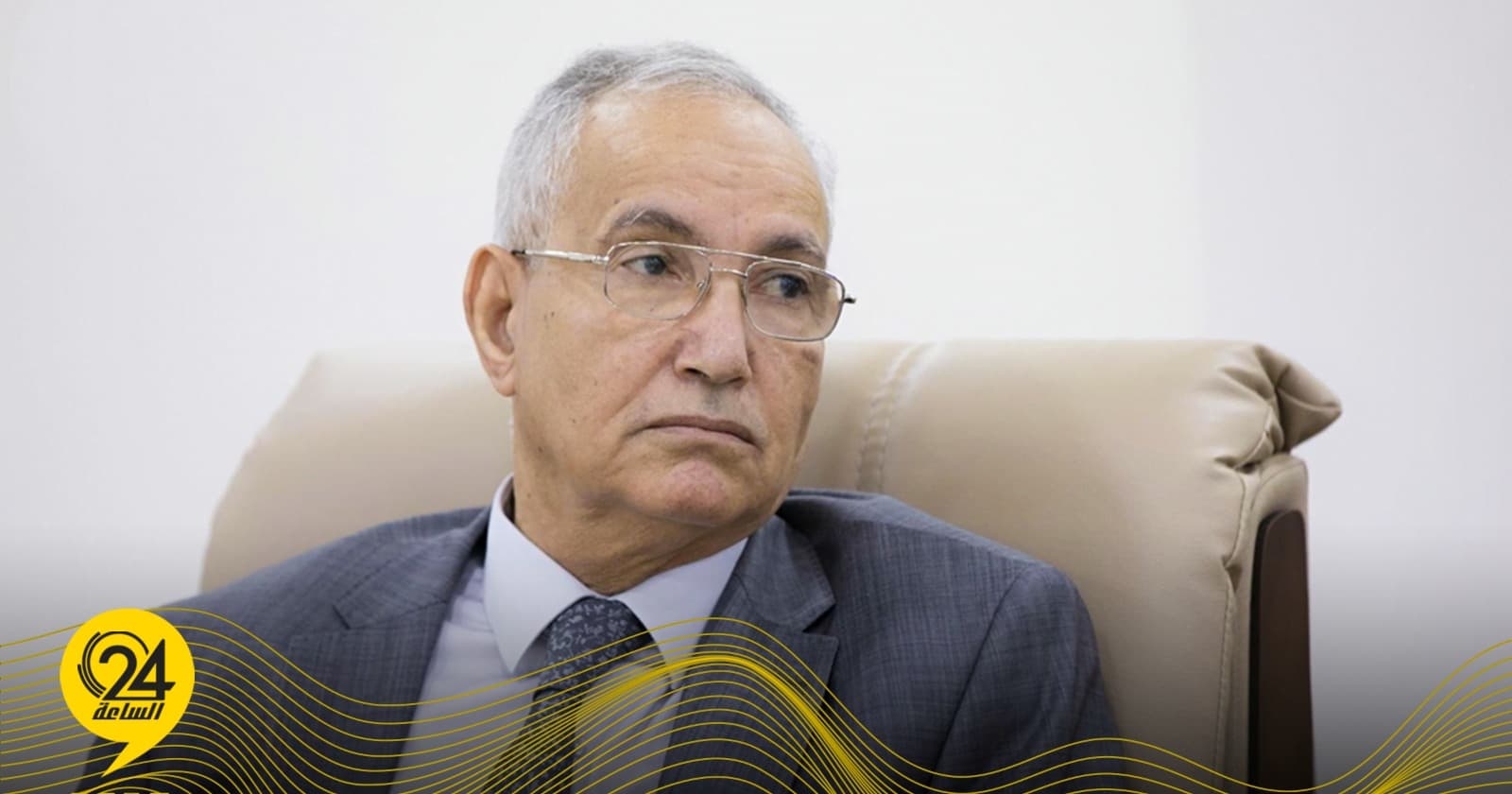

Libya Central Bank Governor Resigns over Economic Costs

The article explains that the resignation of Naji Issa, the Governor of the Central Bank of Libya, reflects a structural crisis in the management of Libyan public funds. Financial and monetary conflicts intertwine over how to finance public spending and ensure the sustainability of the exchange rate. The core issue lies in the country's reliance on oil revenues in dollars to fund expenditures, while expenses are made in national currencies. This creates a significant gap that puts pressure on foreign reserves and increases demand for dollars, especially given the support for fuel subsidies, which is threatened by smuggling and the financial and external costs associated with these subsidies. Continuing with current policies threatens to deplete foreign exchange reserves and worsen economic hardship. The burden of reform is placed on reducing expenditures, adjusting the exchange rate, or sacrificing reserves—all options that carry significant social and political costs. This indicates that the crisis is not confined to the individual of the governor but is rooted in the very model of public financial management, which cannot be resolved by merely changing a single person. Instead, it requires deep and comprehensive reforms.
Notice: This Is an AI-Generated Summary
Comments (0)