


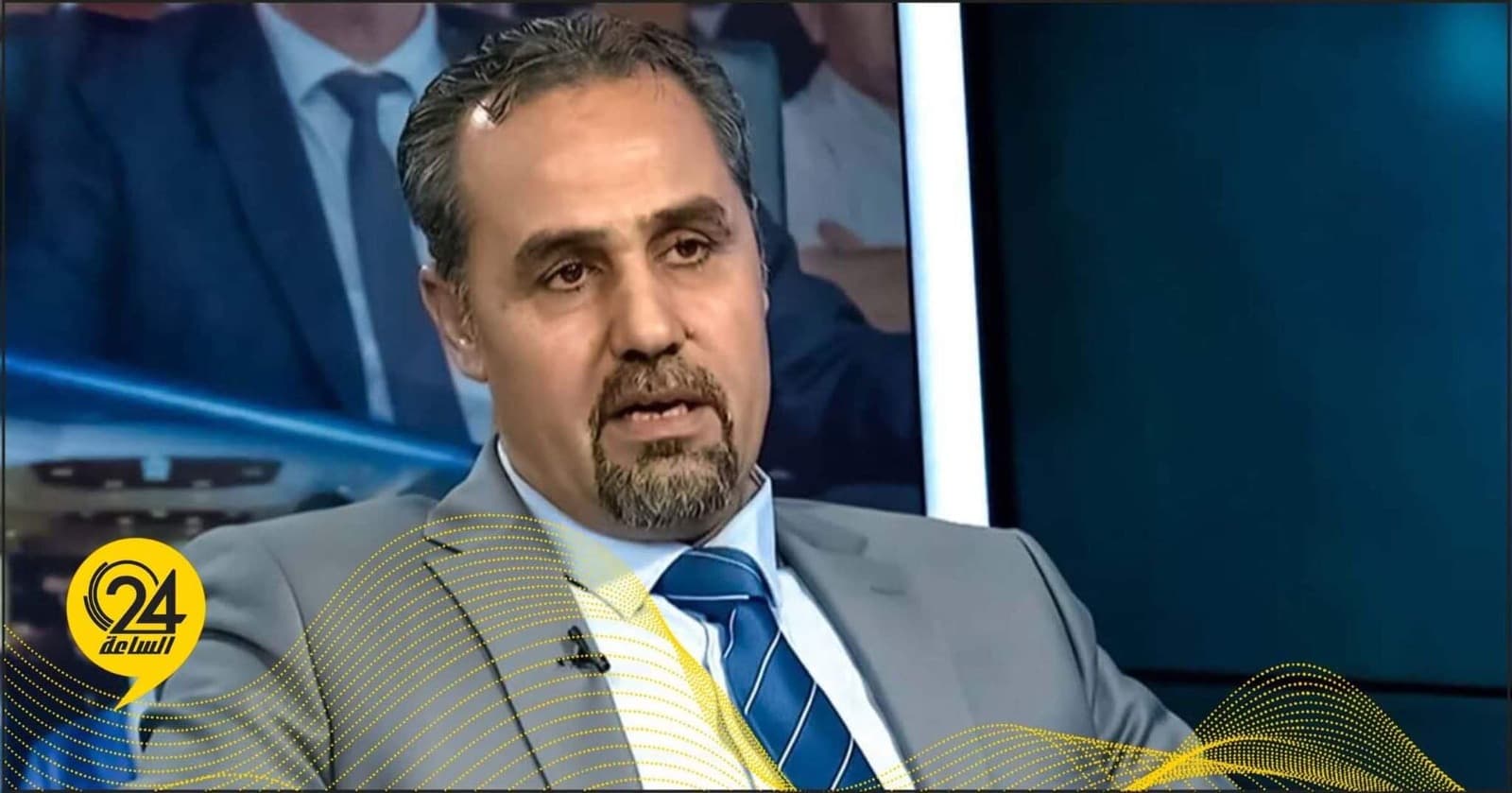

Libya's Governance from Foundation to Deadlock

The article points out that governance and the management of peoples are among the most complex issues in philosophy and politics. There are multiple theories on how to establish a just and effective system of rule, including ideas from Abu Bakr al-Razi, Plato, Rousseau, and the followers of Mikhail Bakunin, which emphasize reason, justice, and popular sovereignty. It clarifies that the political reality in Libya since its independence in 1951 reflects a significant gap between theories and actual governance practices. The country has experienced radical transformations, starting with a federal system, then the 1969 coup that abolished the constitution and parliamentary system, leading to an authoritarian regime based on committees and popular conferences. Deep economic and social changes also occurred, affecting national stability. After the fall of Gaddafi’s regime in 2011, Libya attempted to build a democratic system, but faced major challenges such as weak institutions, widespread weapons, and regional and international conflicts. These issues resulted in multiple governments and deep divisions, leading to a continuous political and security crisis, as well as a lack of effective governance tools rooted in political philosophy principles.
Notice: This Is an AI-Generated Summary
Comments (0)