22 Hrs
Source:
صحيفة الساعة 24
صحيفة الساعة 24
Ready to play
Ready to play
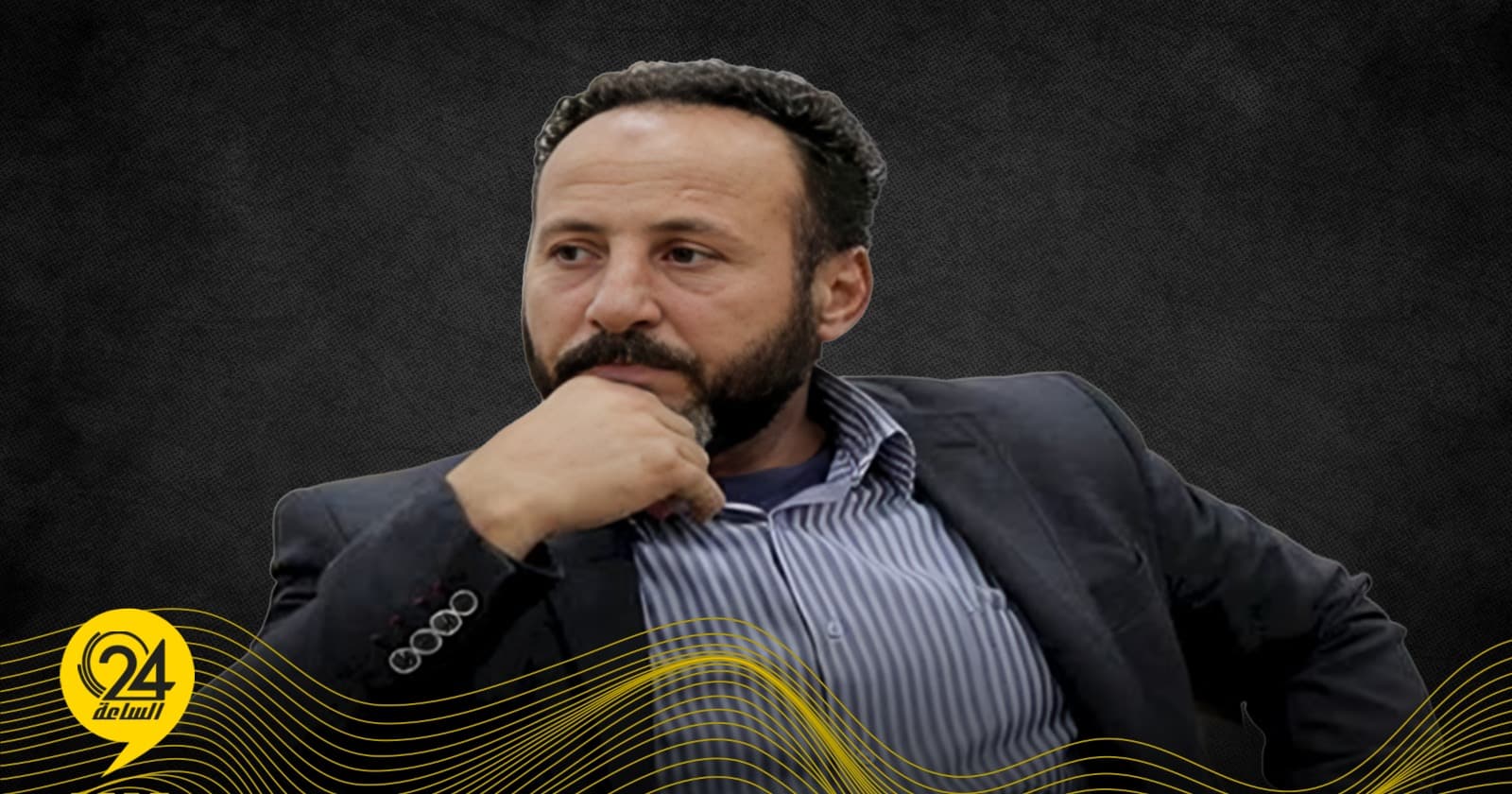
The Economics Professor at the University of Benghazi, Atiyah Al-Feitouri, confirmed that ongoing corruption and institutional division in Libya are increasing citizens’ suffering and leading to a rise in the exchange rate of the Libyan dinar. This is especially due to the activity of the black market and excessive demand for foreign currency. He explained that beneficiaries of the parallel market include dollar traders and citizens who buy currency for legitimate or illegal purposes, which widens the gap between the official exchange rate and the black market rate. He pointed out that the Central Bank of Libya’s injection of two billion dollars helped to curb the sharp rise in the exchange rate. He emphasized that addressing the market crisis requires tackling corruption at its roots, as well as unifying financial and governmental institutions and activating oversight over credits and government spending to reduce financial interference and widespread corruption. These issues hinder economic stability, contribute to the depreciation of the exchange rate, and drive up prices in the country.
Notice: This Is an AI-Generated Summary

Comments (0)