
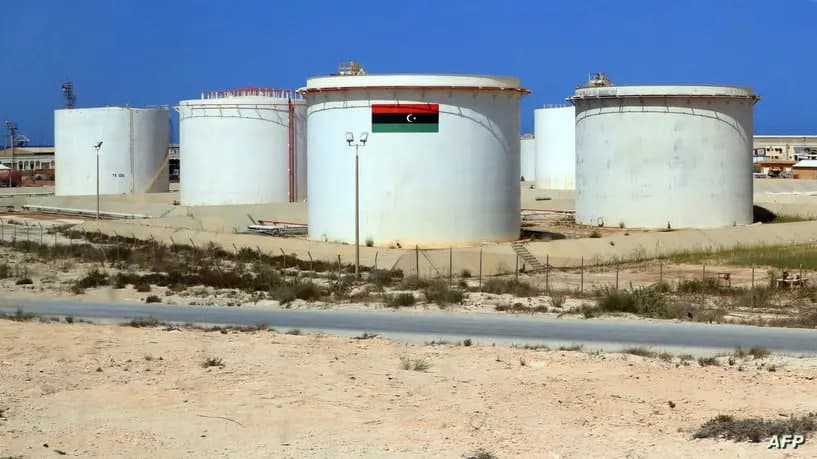





Where Are Libyan Citizens' Funds Going

The Libyan market is experiencing a continuous rise in the prices of goods and services due to the decreasing purchasing power, caused by the electricity and fuel crisis, rising production and transportation costs, as well as the intermingling of financial and monetary factors. Businessman Hosni Bey explained that the main reason is the increased production costs resulting from limited electricity availability, higher fuel prices, and the impact of exchange rate fluctuations and the devaluation of the dinar, all of which directly affect the prices of food, medicine, and raw materials. He emphasized that supporting electricity and fuel imposes a burden on the state and the national wealth, noting that the cost of electricity for each household amounts to at least $3,300 per month, along with direct losses in gross domestic product caused by power outages, which lead to higher costs due to reliance on less efficient private generators. He pointed out that solutions require comprehensive reforms, including controlling financial spending, addressing the exchange rate gap, improving electricity productivity, and providing direct cash support to citizens instead of commodity subsidies, in order to achieve transparency, reduce economic costs, and help protect purchasing power while lowering inflation.
Notice: This Is an AI-Generated Summary
Comments (0)