






Moroccan Media Watchdog on Rumor Spread
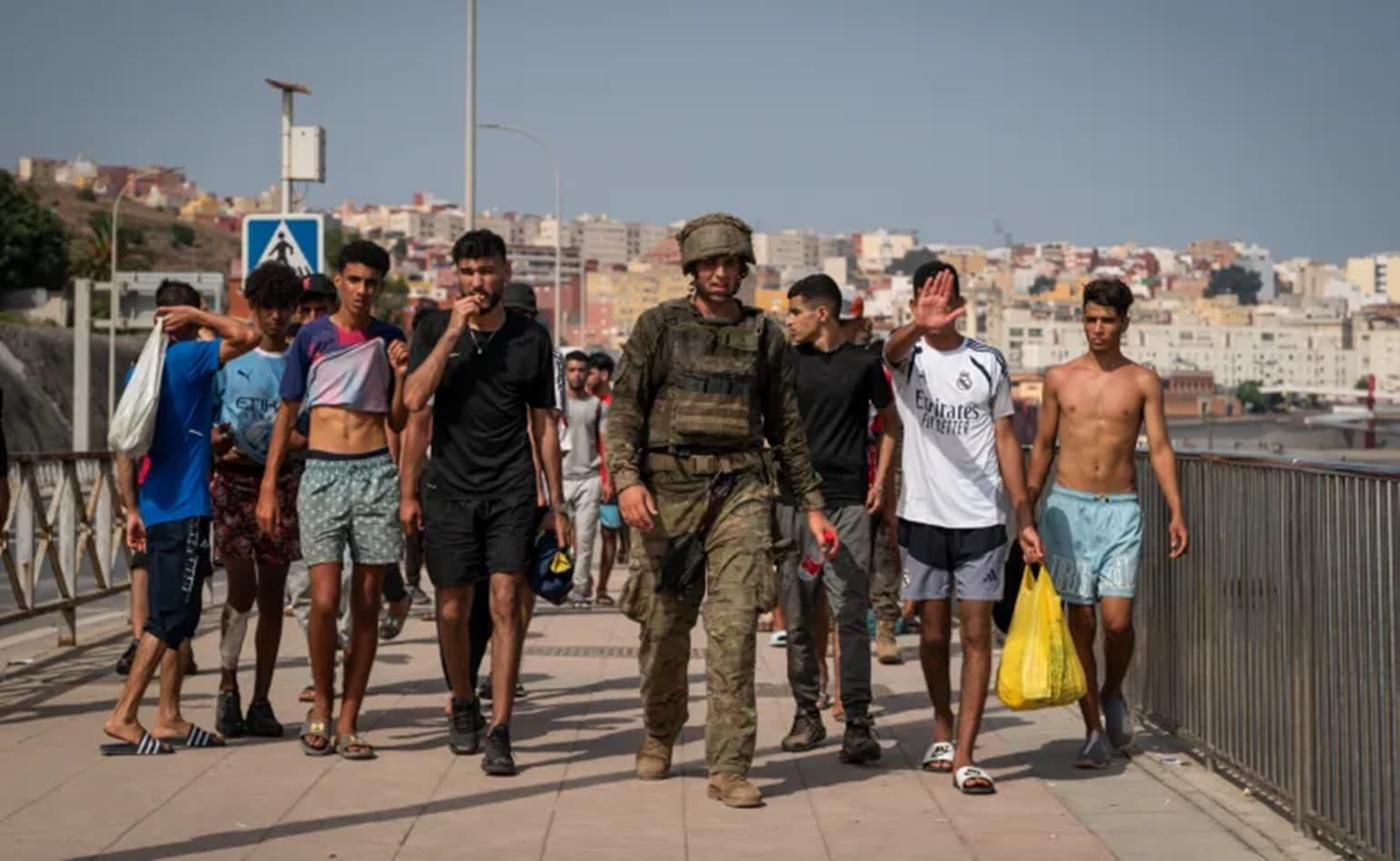
The article explains that delays in immediate communication during crises—such as the border crossing situation in Ceuta—contribute to the rapid spread of rumors and create a void that allows misinformation to proliferate on social media platforms. The Moroccan Observatory for Media Vigilance emphasized that the lack of accurate official information increases the circulation of unreliable images and videos, leading to conflicting narratives. It pointed out that the surge in border crossings was not due to an organized campaign but resulted from social factors, border conditions, and the spread of digital content that portrays successful crossing attempts and transforms them into influential symbols. The Observatory called for the adoption of a modern digital alert system to monitor rapid changes in content, as well as the implementation of a clear communication protocol during border crises to ensure the dissemination of reliable information and reduce rumors. It also stressed the importance of media responsibility in not reposting images or comments that could encourage potentially dangerous repeat efforts. The article concluded that lasting solutions require addressing social and economic root causes and building trust between citizens and institutions, especially in border areas.
Notice: This Is an AI-Generated Summary
Comments (0)