


Scientists develop artificial pancreas for diabetics
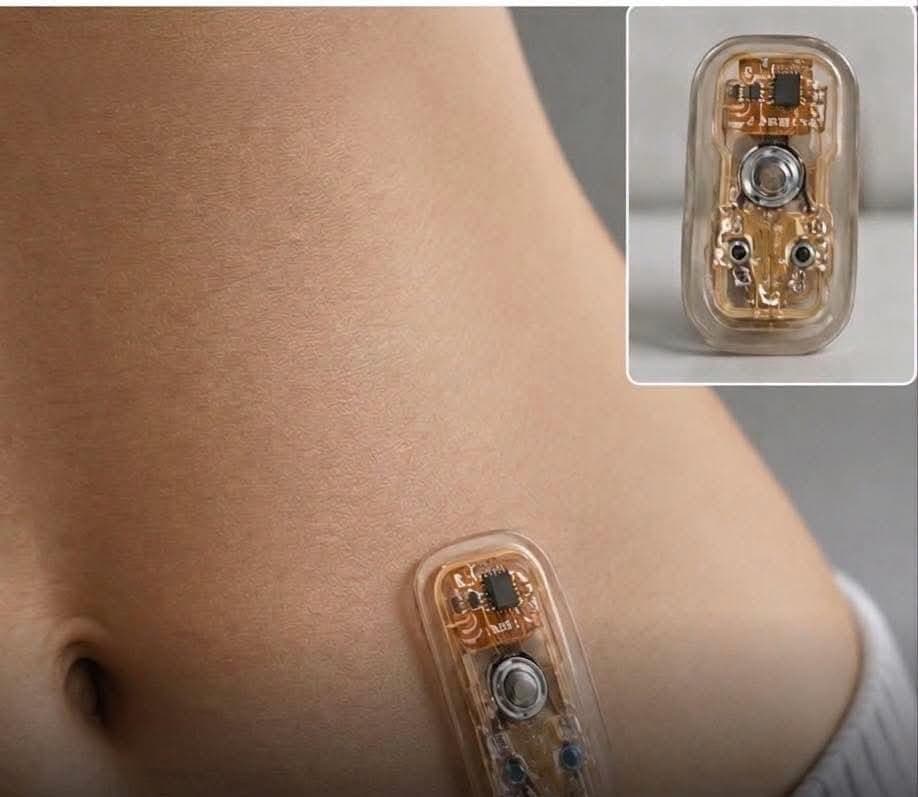
Scientists at Harvard University and the Hopracht Institute have developed a new technology based on "pancreatic organoids" or "mini pancreas," which are microscopic models of pancreatic cells created in the laboratory. The goal is to treat diabetes more accurately and effectively. This is achieved by programming the patient's skin cells and converting them into advanced stem cells, then guiding them to produce beta cells that generate insulin. Researchers have successfully transplanted these mini tissues with small blood vessels, allowing them to be nourished and grow, and to respond to high blood sugar levels by precisely secreting insulin, all without complex procedures for the patient. Animal studies have yielded positive results, showing a reduction in blood sugar levels in diabetic mice. Major companies like Vertex are now beginning human clinical trials. It is expected that developing this treatment will take about ten years before it is available to the general public. This represents a potential breakthrough in treating Type 1 diabetes, potentially reducing dependence on periodic insulin injections.
Notice: This Is an AI-Generated Summary
Comments (0)