





Ceuta's renewed force echoes Moulay Ismail's siege
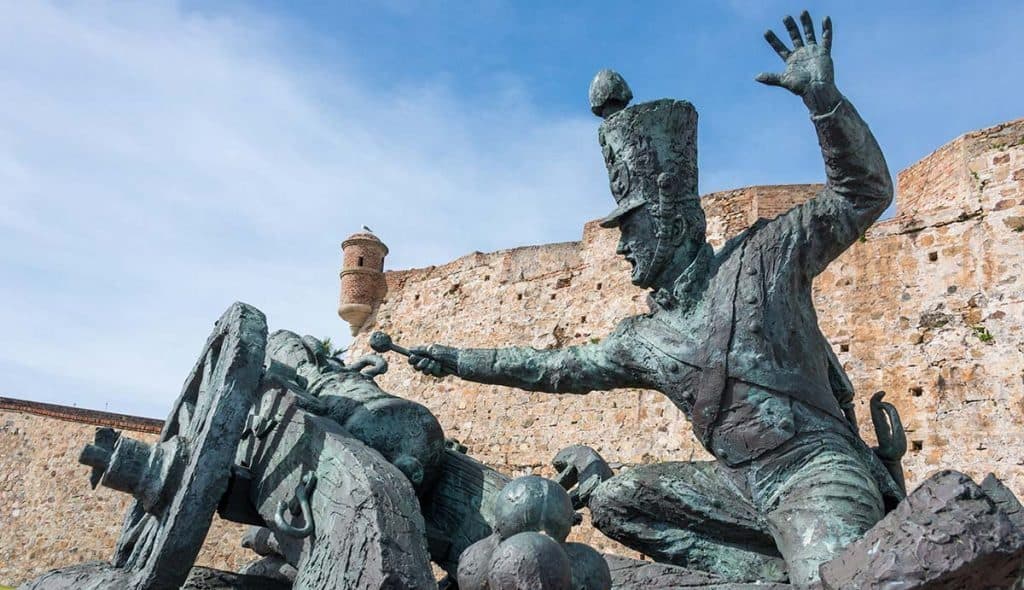
The article discusses the history of the Siege of Ceuta, which was imposed by Sultan Moulay Ismaïl between 1694 and 1727. The siege lasted approximately 33 years and was part of Morocco's efforts to regain control of territories occupied by Spain. The prolonged three-decade siege demonstrated Morocco’s mobilization of extensive forces, with the Spanish garrison reaching about 5,000 soldiers, thereby increasing military and financial burdens on Spain. This made Ceuta one of the most heavily fortified sites during that period. The siege led to major demographic and urban changes, transforming the city significantly and establishing it as an important military base, although Spain ultimately managed to defend it, which compelled them to reinforce its defenses and establish it as a strategic defensive stronghold. In the contemporary context, the recent political and military escalation in Ceuta recalls that the city remains a matter of military and strategic interest. Spanish officials have indicated the presence of armed forces protecting it, while the "Vox" party calls for deploying the army along its borders with both Ceuta and Melilla. The study illustrates that history shows Ceuta has been one of the longest frontlines in the Morocco-Spain confrontation. The current renewed discourse on military strength reflects the city’s importance over centuries, even though today’s disputes occur within a different legal and international framework, with security and economic cooperation continuing between Rabat and Madrid.
Notice: This Is an AI-Generated Summary
Comments (0)