







John Locke and the Age of Enlightenment
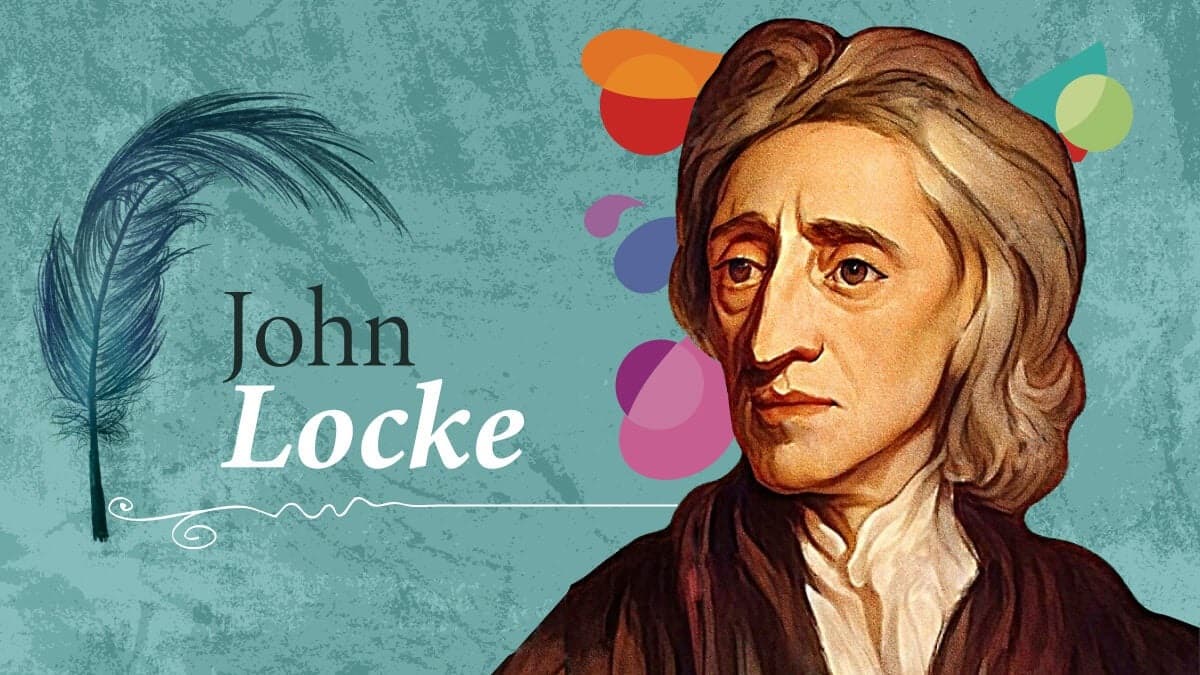
John Locke, the English philosopher born in 1632, is one of the founders of modern liberalism and a prominent figure of the Enlightenment era, with a significant influence on modern political thought. His most notable ideas concern fundamental human rights, emphasizing that every person is born with natural rights—including the right to life, liberty, and property—that cannot be taken away by any authority. Locke developed the social contract theory, which states that people agree to be governed in order to be protected; if the government fails or oppresses, the people have the right to revolt and change it. He also advocated for the separation of church and state and promoting religious tolerance, believing that faith is a personal matter that cannot be enforced by force. Locke’s ideas remain evident in democratic systems and human rights today and have contributed to shaping the modern concept of good governance. He passed away in 1704, but left a vibrant intellectual legacy that continues to influence policies and laws around the world.
Notice: This Is an AI-Generated Summary
Comments (0)