




Sahrawi Leader on Autonomy Contract
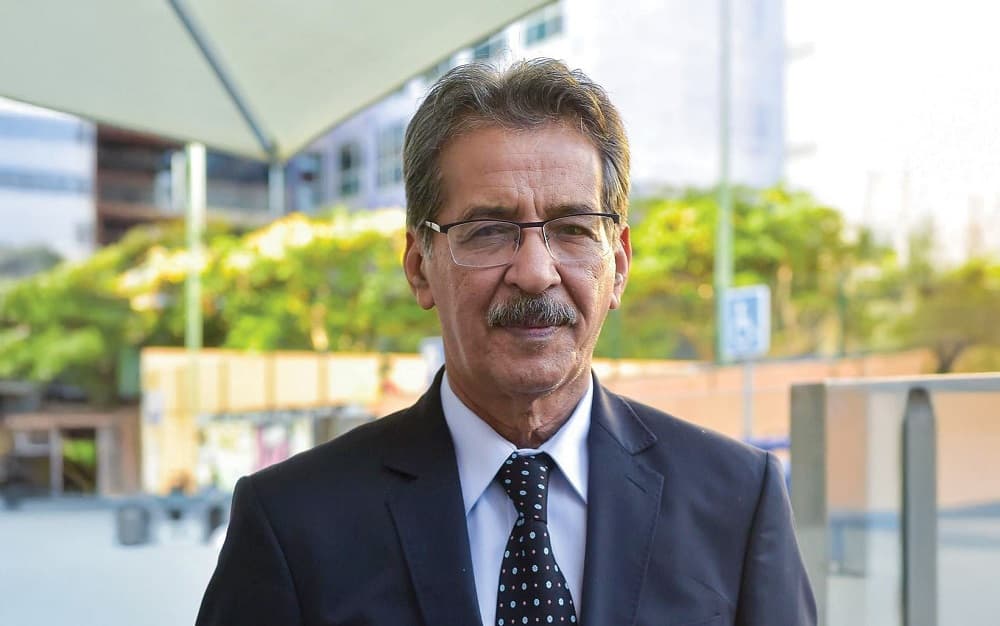
The article discusses the ongoing debate about the future of the Western Sahara issue. The Secretary General of the Sahrawi Movement for Peace emphasized that supporting the Moroccan government's initiative of autonomy requires the existence of representative national institutions that ensure the participation of all Sahrawi factions. He clarified that the movement believes it is necessary to move beyond merely discussing autonomy to defining its institutional content, establishing a Sahrawi entity with democratic legitimacy capable of effectively managing its affairs. He called for expanding participation in international negotiations, stressing the importance of implementing tangible results on the ground to build trust. This includes improving living standards in housing, health, and education, as well as involving refugees in the process. The autonomy plan should be regarded as a political and moral contract between the Sahrawi people and the King of Morocco, supported by international guarantees, with responsibilities transferred to representative institutions capable of achieving security and development. Furthermore, he pointed out that the Polisario Front faces a strategic choice: to pursue political transformation by rejecting military options and accepting political competition within the framework of autonomy, while adhering to democratic principles and pluralism, rather than continuing solely as a military resistance movement. He also highlighted that broadening representation and increasing engagement with the international community—particularly in light of UN Security Council resolutions—are key to resolving the ongoing crisis. This approach should enable Sahrawis to actively participate in shaping their political future, ensuring trust-building and the achievement of tangible social and economic gains.
Notice: This Is an AI-Generated Summary
Comments (0)