








How is a Denisovan Surviving
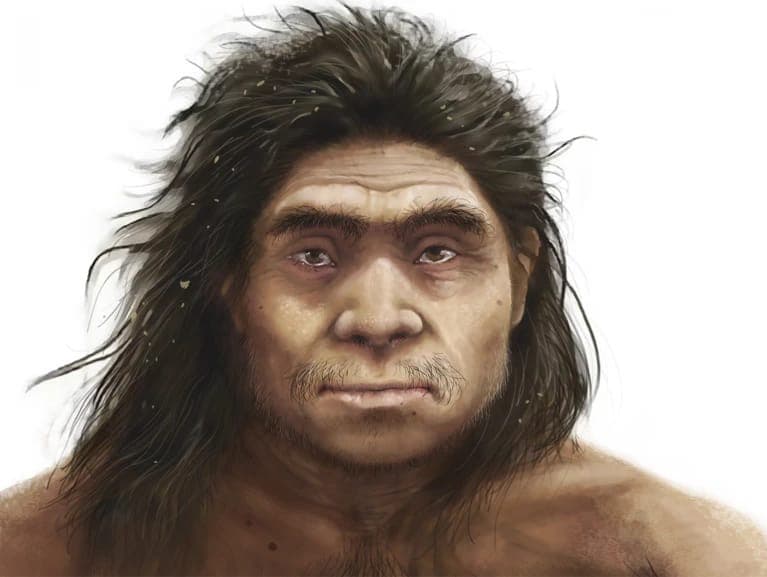
Scientists have managed to more precisely identify the features of Denisovan humans based on their bone remains, which are over 130,000 years old and were discovered in northern China. Studies have shown that this human had distinctive facial features, including a small jaw, sunken eye sockets, flat cheeks, and a broad nose. They lived across wide regions of Asia. Analytical results confirmed that the remains belong to an ancient human group different from Homo sapiens and Neanderthals, with genetic markers unique to Denisovans, supporting the idea of their widespread presence, genetic diversity, and raising questions about how different they were from other human groups throughout history. The study highlights the importance of using ancient proteins to identify the structures and lifestyles of this early human, helping to shed light on the diversity and dispersal patterns in early human history.
Notice: This Is an AI-Generated Summary
Comments (0)