53 Mins
Source:
الصحيفة






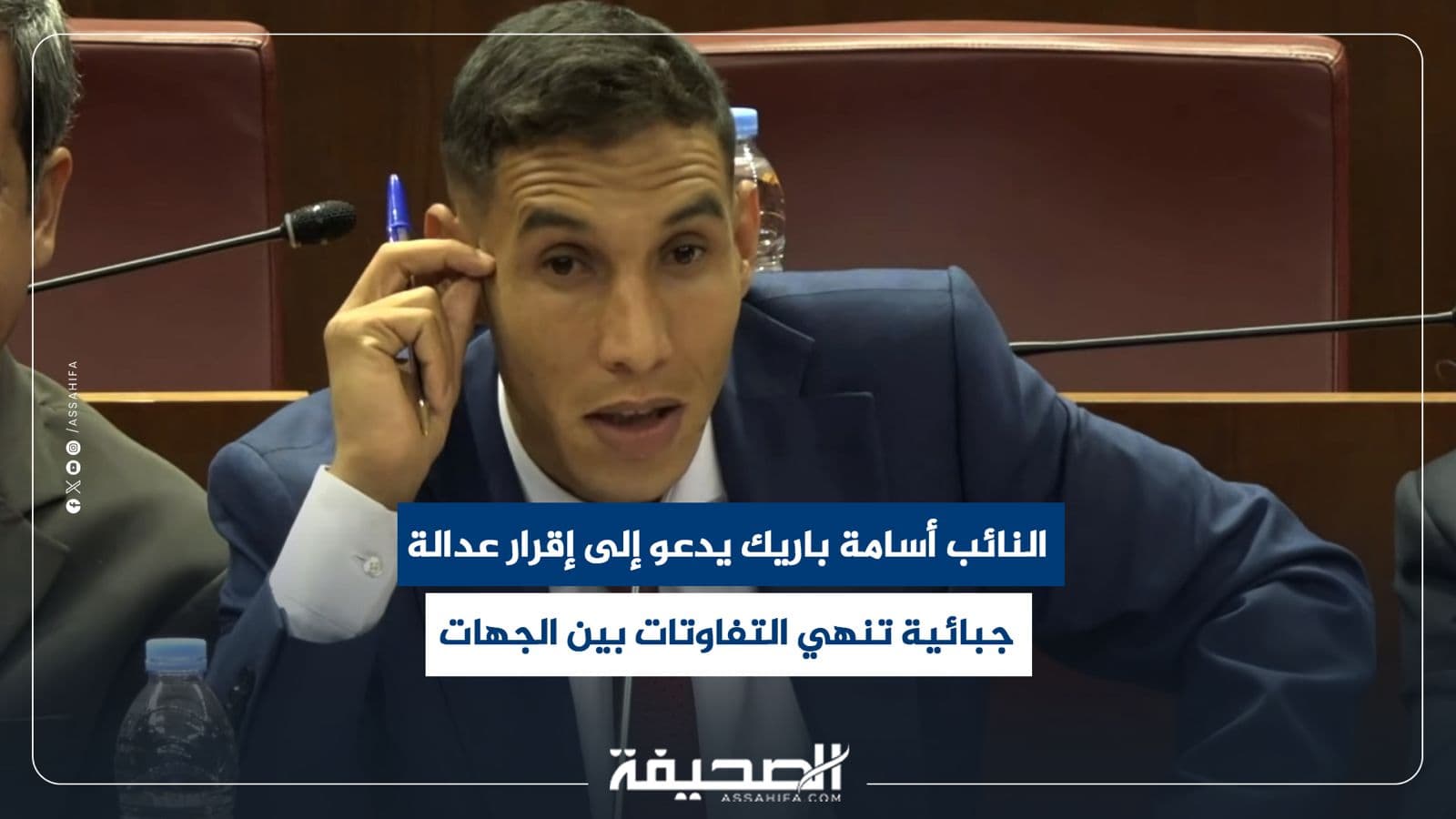
Source: الصحيفة
53 Minsالصحيفة
Source: الصحيفة
53 MinsReady to play
Ready to play
The article argues that the veto held by China, France, Russia, the United Kingdom and the United States was designed in 1945 to secure agreement among the great powers and prevent any one side from dominating. But it has since stalled Security Council decisions in crises such as Ukraine, Gaza and Sudan, while the number of resolutions adopted has fallen to its lowest level since the early 1990s. Its defenders, meanwhile, warn that abolishing the veto could lead the great powers to sideline the United Nations and intensify confrontations outside it. The article concludes that the veto both balances power and obstructs collective action, and that reforming it—whether by restricting its use in cases of mass atrocities or expanding permanent membership—ultimately depends on the will of the powers that benefit from it.
Notice: This Is an AI-Generated Summary

Comments (0)