




Omani Lemon: Districts and Families Known for Producing and Exporting It
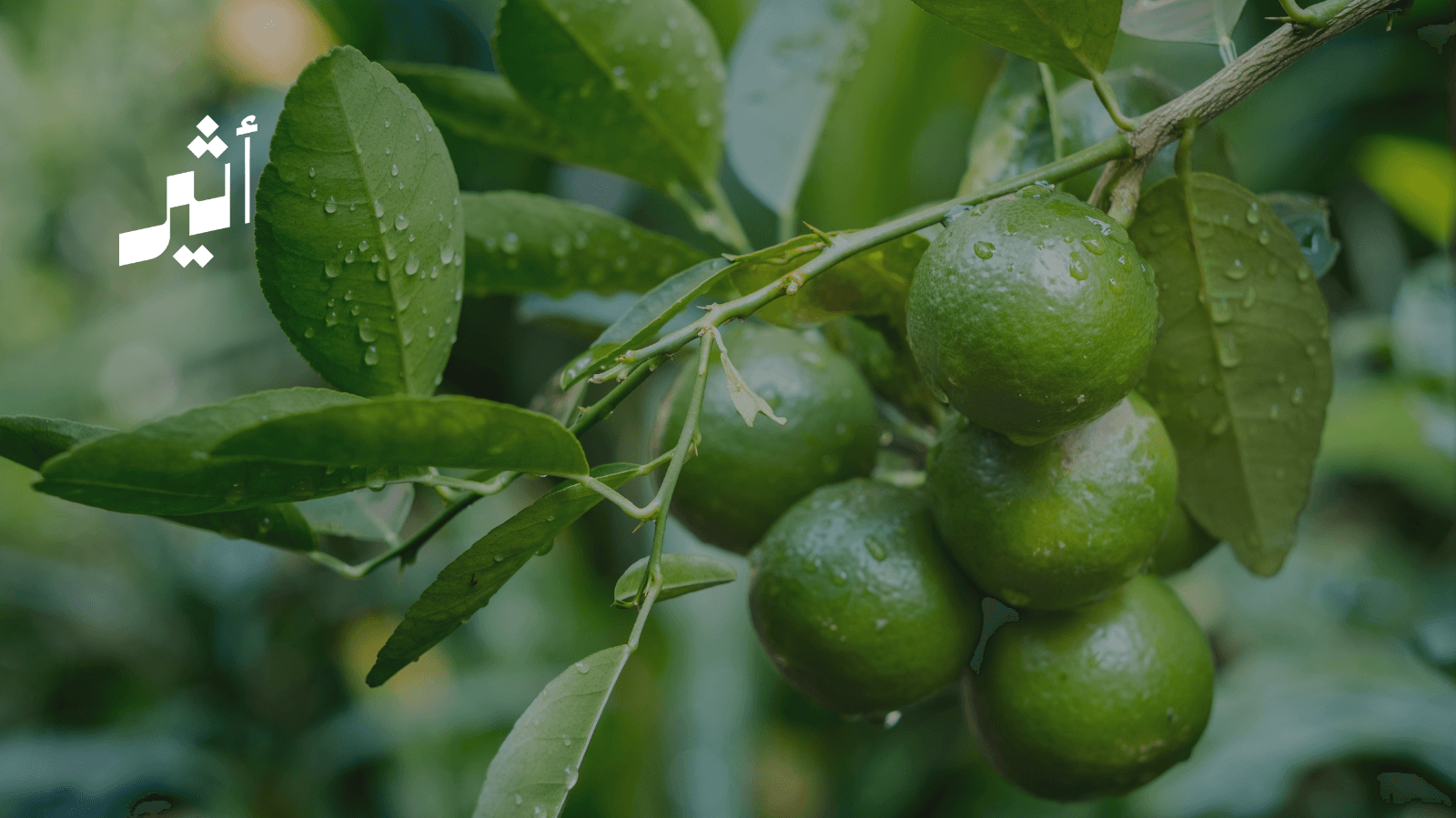
The article discusses the history and development of Omani lemon trade, known locally as "Loum," which was once an important agricultural crop in Oman, especially in the Wilayat of Saham. The lemon trade played a key role in supporting the national economy and stimulating commercial exchanges with Gulf countries and India, with large quantities being exported and used for commercial and social purposes. The Al-Asfour family, particularly Hamza Al-Asfour and his sons, notably contributed to organizing and developing the dried lemon export business from the late 19th century through the mid-20th century, making them one of the most prominent trading families in the region. However, lemon exports gradually declined starting in the 1980s due to economic changes and advancements in transportation methods, along with a reduction in agricultural land caused by urban expansion and plant diseases. Currently, the Omani government places great importance on lemon cultivation as part of programs supporting the agricultural economy. In 2022, the cultivated area amounted to approximately 3,366 acres, producing about seven thousand tons annually, which accounts for 31% of the local self-sufficiency. It is considered one of the crops that support national food security.
Notice: This Is an AI-Generated Summary
Comments (0)