




Exploring Omani Nature and Key Works
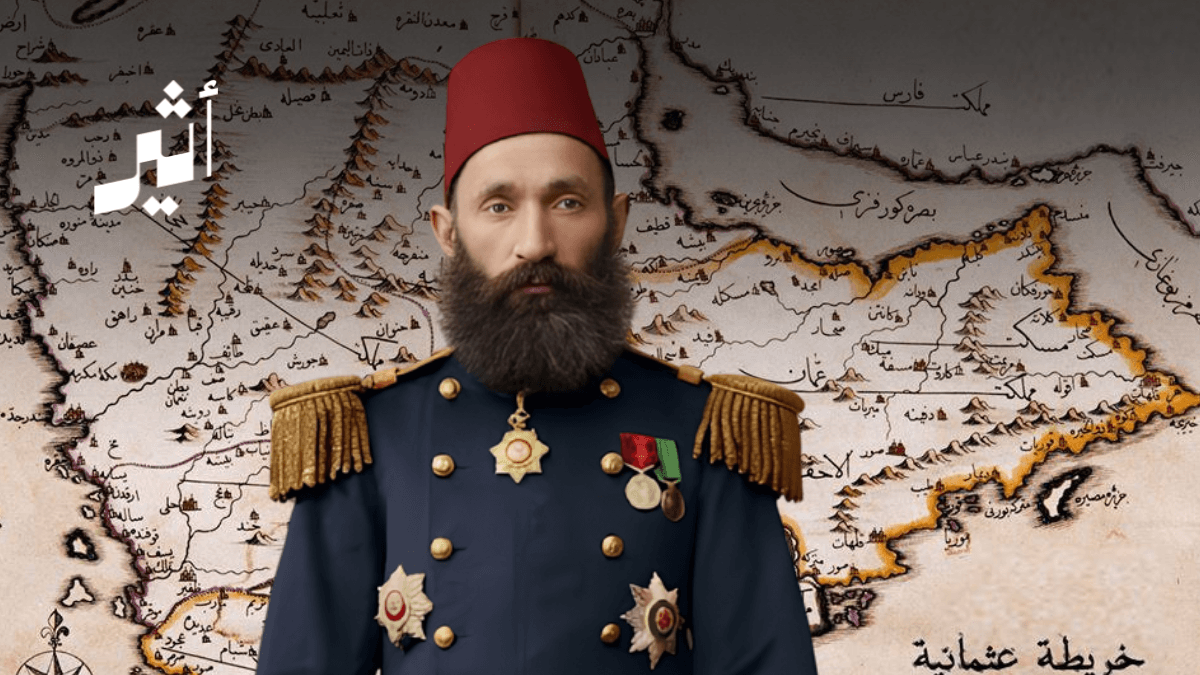
The article discusses the historical role of Oman as a trans-oceanic naval and commercial power, highlighting important Ottoman documents related to Oman's geography, politics, and economy. It notes that Ottoman sources, such as the book "Brief of the Great Geography" by Abu Bakr bin Bahram and "Mirror of the Holy Places" by Eyüp Sabri Pasha, confirm that Oman enjoyed independent maritime sovereignty, harboring unique natural resources like frankincense trees, and maintaining an economic system based on navigation and trade by land and sea, with significant ports such as Muscat and Sohar. The article also explains that Oman managed to reclaim its coasts from the Portuguese in the 11th Hijri century, extending its influence to Zanzibar, Socotra, and the Persian Gulf islands, thanks to its powerful fleet. Socially and politically, Oman was a cultured society with an independent system of governance led by the most astute sultans, with the Ibadhi sect continuing to be widespread. The country experienced conflicts over sovereignty that drew external interventions, especially from Britain and England. The documents reveal the interconnectedness of Oman’s geographic nature with its strategic economic and political policies, emphasizing its historical importance as a global trading hub and strategic stronghold with distinguished naval and civilizational forces.
Notice: This Is an AI-Generated Summary
Comments (0)