


81 Years Ago: Key Event Unfolds
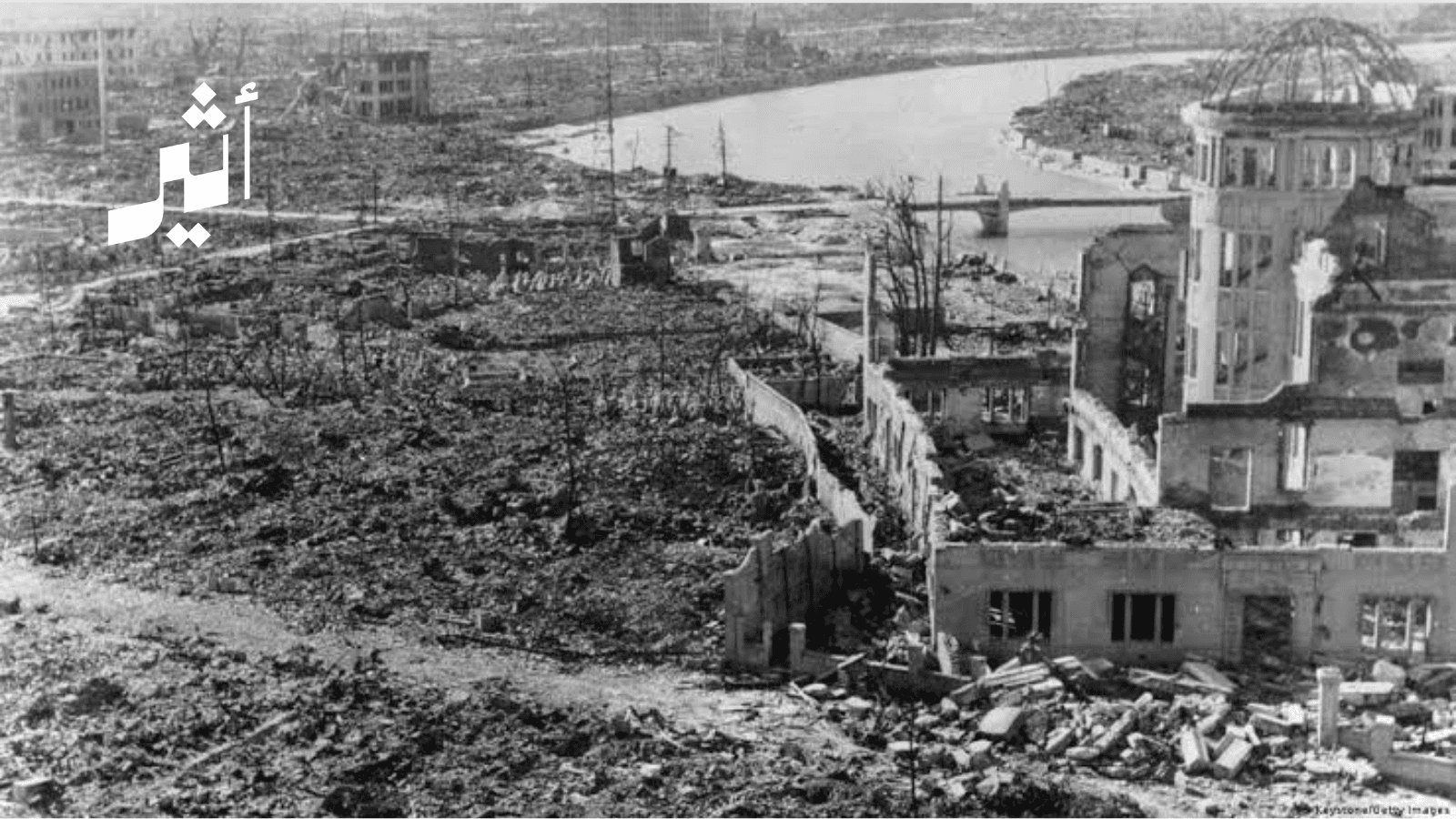
On August 6, 1945, the United States used an atomic weapon for the first time, dropping a bomb on the Japanese city of Hiroshima. This was followed by a second bomb on Nagasaki on August 9 of the same year. The two strikes resulted in the deaths of around 214,000 people and injured tens of thousands more. They caused widespread destruction and long-term health and psychological effects. These events marked the beginning of the nuclear age, giving the world the power to obliterate entire cities in seconds. They represented a dramatic turning point in the history of warfare and led to Japan's surrender, bringing an end to World War II. Their legacy continues with ongoing moral and political implications, and a global recognition of the importance of nuclear disarmament as a message of peace.
Notice: This Is an AI-Generated Summary
Comments (0)