





AI and Water Resources
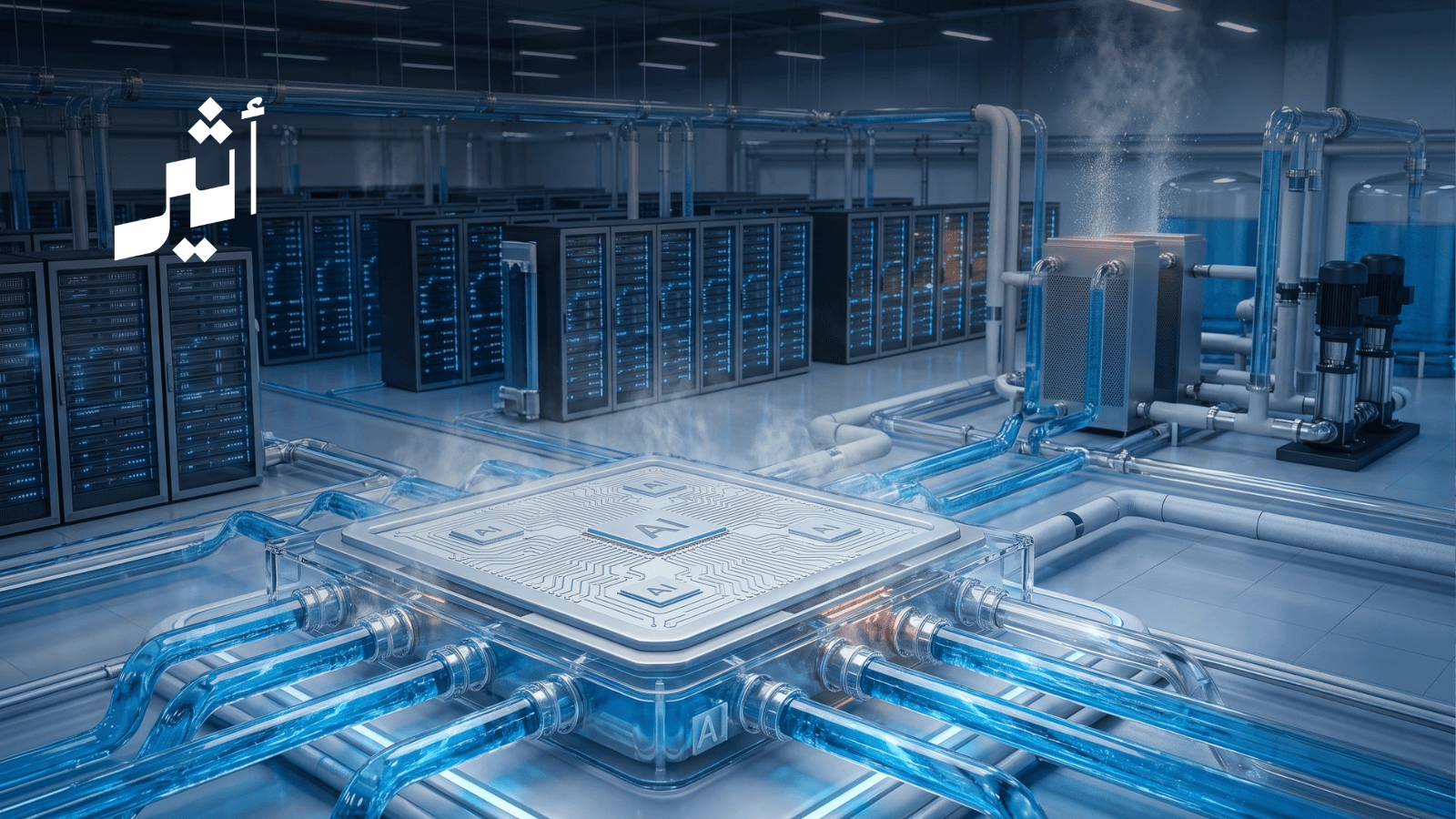
The article highlights that the use of artificial intelligence (AI) indirectly requires large amounts of water, due to the physical processes that support it, such as cooling data centers, manufacturing semiconductors, and generating electricity. It is expected that AI-powered data centers will raise global water consumption to over one billion liters annually by 2028, with training large models like GPT-3 consuming around 700,000 liters of water in manufacturing and cooling processes. Therefore, increasing reliance on AI amplifies pressure on water resources, especially in arid regions like the Gulf countries, where desalination and ultra-pure water are essential, adding further energy and water costs. Major companies like Microsoft and Google have emphasized developing waterless cooling technologies to reduce their impact, along with the need to disclose water consumption and plan locations based on sustainable water sources. Ultimately, making AI sustainable requires clear environmental standards and regulations to ensure that technological benefits do not come at the expense of vital water resources.
Notice: This Is an AI-Generated Summary
Comments (0)