







Wednesday evening sky event
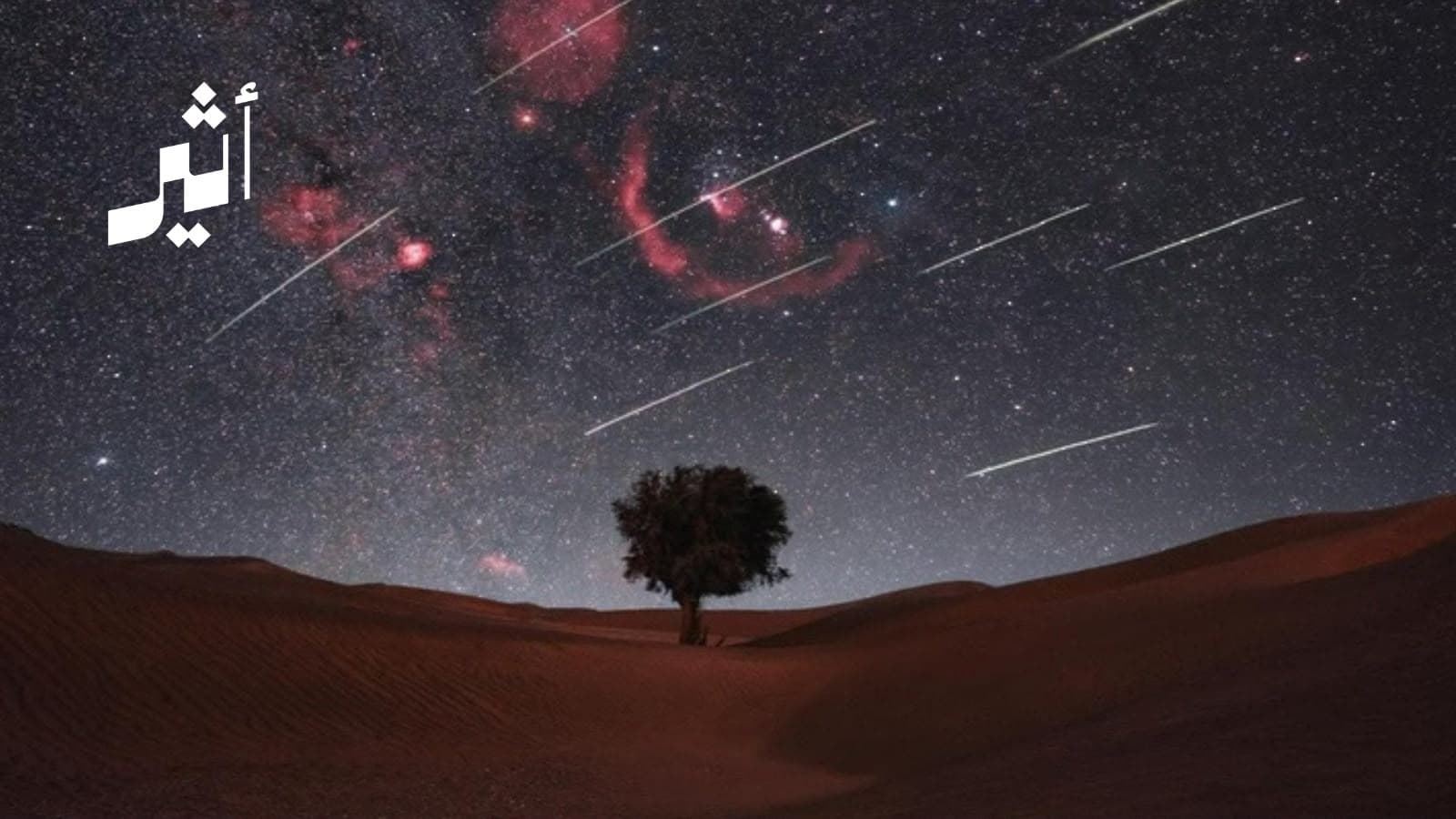
The article discusses the Perseid meteor shower phenomenon, which can be seen in the skies of Oman until August 24. Its peak occurs on the night of August 12 to 13, with the potential to observe between 80 to 100 meteors per hour under ideal conditions, especially during the new moon when light pollution is minimized. The source of this phenomenon is the Swift-Tuttle comet, which orbits the Sun every 133 years. As it passes, it causes tiny dust particles to break apart and enter Earth's atmosphere at high speeds, resulting in the display of meteors and fireballs, which are notably the brightest among celestial showers. It is recommended to watch the event after midnight from open, elevated locations, allowing about 20 minutes to adapt to the darkness, and to avoid artificial lights to improve viewing chances. Additionally, during this period, observers can also spot other planets and celestial bodies such as Saturn and the star Al-Yaqooh. Watching the meteor showers does not require special equipment; it is a visual experience accessible to everyone to enjoy the beauty of the universe.
Notice: This Is an AI-Generated Summary
Comments (0)