









Factors Influencing Gold Value
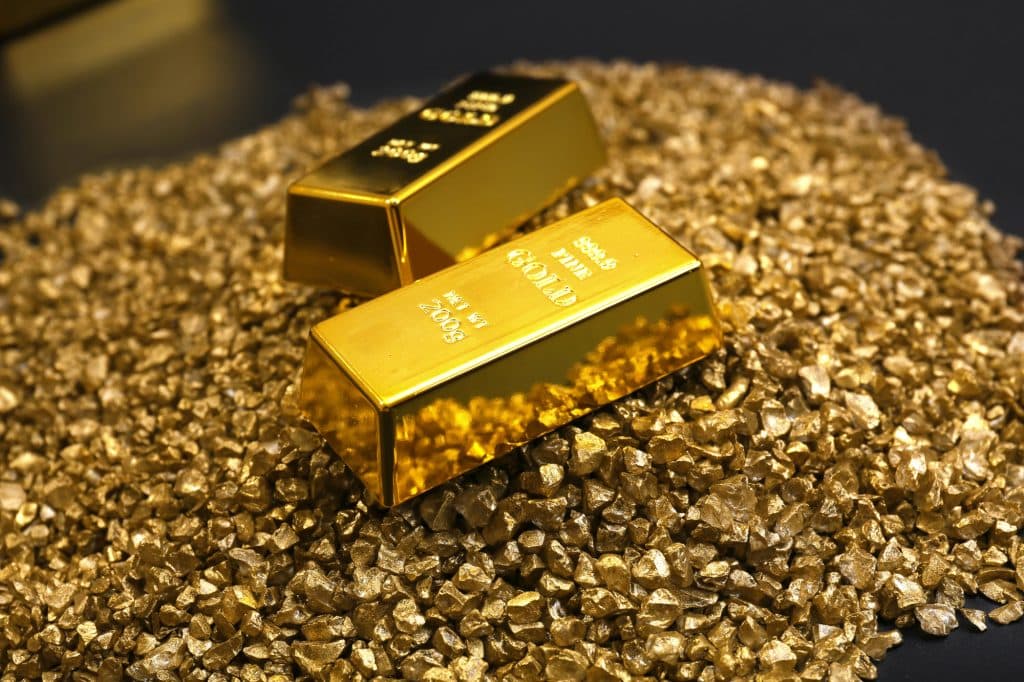
Gold is considered one of the oldest assets that has maintained its status throughout history. Its price differs significantly from other financial assets due to multiple intertwined factors. The gold price is influenced by the level of supply and demand, monetary policies, investor behavior, currency strength, inflation expectations, and central bank decisions, in addition to global geopolitical and economic conditions. The value of gold depends on its rarity, as it is a scarce metal requiring costly and complex processes for extraction, which limits its ability to meet sudden increases in demand. Gold is produced from mines through long-term, expensive operations, and the amount of supply is affected by changes in market prices and mining costs. Demand for gold is distributed between jewelry, which serves social and savings functions, and investment, where it is used as a safe haven during periods of financial and geopolitical uncertainty, as well as in official reserves held by central banks. Gold is regarded as a hedge against inflation, although its relationship is indirect; it tends to rise in some cases alongside increasing inflation, especially when confidence in currencies wanes. The US dollar has a significant impact on gold pricing, where a rising dollar causes gold prices to fall, and vice versa. The final price of gold is also affected by factors related to purity, karat, form, and manufacturing costs. Additionally, prices vary across markets and regions due to fluctuations in local currencies, making its global price non-fixed and subject to consumer preferences and behaviors.
Notice: This Is an AI-Generated Summary
Comments (0)