






Iran reshapes global power dynamics
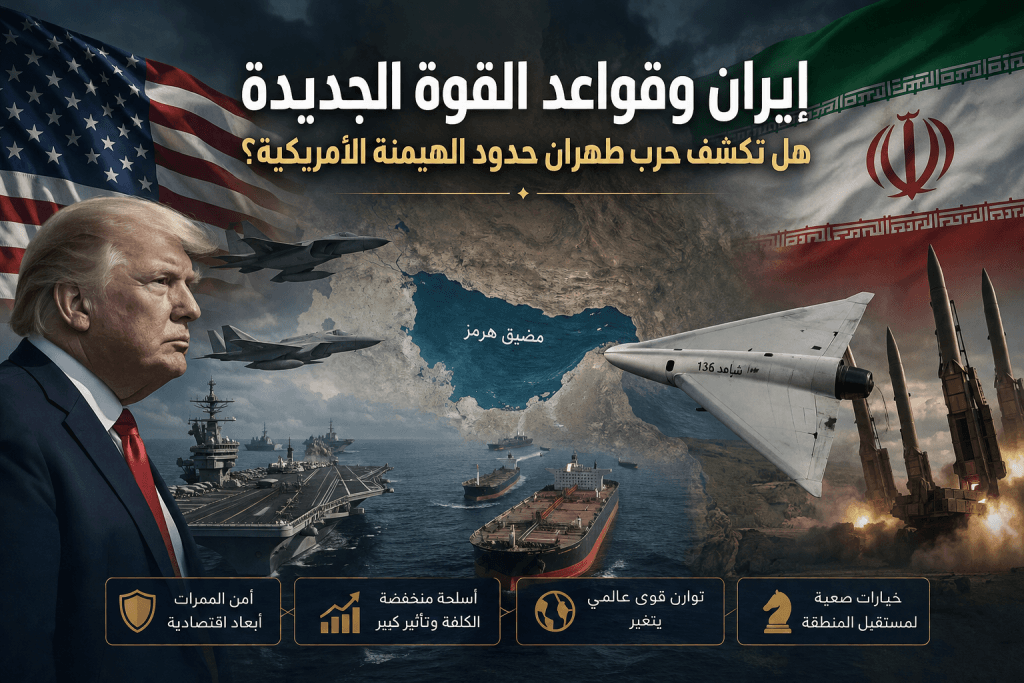
The article discusses the changes in the global power system following the Gulf War in 1991, when the United States possessed absolute military superiority, leading it to achieve quick victories and solidify its hegemony. However, the war with Iran demonstrated that traditional dominance is no longer sufficient, as Iran relies on unconventional strategies such as missiles and drones, making the use of American force costly and complex. The article also emphasizes the second revolution in precision warfare, which depends on low-cost weapons accessible to non-state actors, thereby altering the balance of power and diminishing the effectiveness of traditional airstrikes. Lastly, it points out that modern conflicts are no longer confined to military battlefields; they now extend into global markets and oil corridors, with potential impacts that could lead to a reassessment of power dynamics in the Gulf and worldwide. This situation pushes the United States to choose between escalating military action or pursuing diplomatic solutions to avoid prolonged exhaustion.
Notice: This Is an AI-Generated Summary
Comments (0)