







Netanyahu strengthens security line in Syria
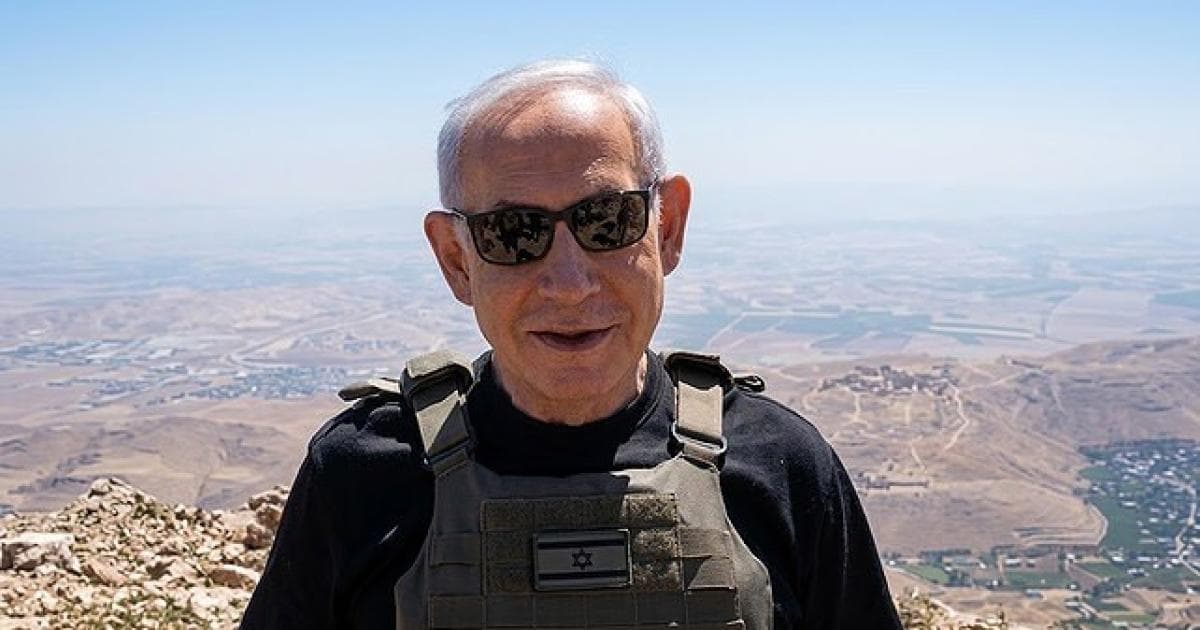
Through Prime Minister Benjamin Netanyahu's visit to Mount Hermon within Syrian territory, Israel has confirmed that it has gained absolute control over the area extending from Mount Hermon to Yarmouk, reaching the Mediterranean Sea. It considers itself to have an unprecedented military and political dominance over its surroundings. This move aims to reinforce its strategy of establishing factual realities on the ground and expanding control beyond its declared borders by creating a "security belt" that enhances its ability to prevent any jihadist or Iranian threats near its borders. Meanwhile, negotiations continue between Damascus and Washington, but Israel maintains a clear operational stance by holding onto the positions it occupied since 2024 and insisting on the presence of its forces. Damascus, on the other hand, rejects the occupation justifications and demands a withdrawal to the 1974 lines. Israeli escalation coincides with the increasing emergence of the "Ouli al-Baas" group, which has claimed attacks against Israeli forces and increasingly links its rhetoric to Iran and Hezbollah. Its background and unclear funding raise fears that it might be a pretext for a long-term stay. Regionally, Netanyahu is focused on undermining Iranian influence, stressing that Israel is very close to "decisively" addressing the regime in Tehran following the military escalations between Iran and Israel in 2026 and the assassination of Supreme Leader Khamenei, amid escalating threats to strike the Iranian regime. All of this reflects Israel's broader strategy to build a security zone inside Syria and expand its control from the south to Lebanon, as regions like Daraa and Quneitra experience turmoil due to the interplay of Israeli occupation, armed groups, and power struggles.
Notice: This Is an AI-Generated Summary
Comments (0)