




Strait of Hormuz Control Dispute

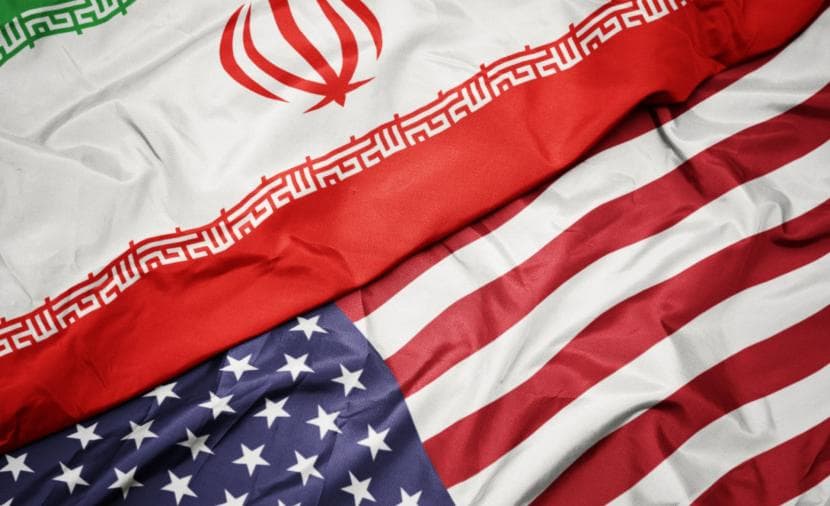
The military and diplomatic conflict between the United States and Iran over the Strait of Hormuz, one of the world's most vital energy corridors, is escalating. Washington claims that Iran does not have full control over the strait and continues to implement maritime measures to enforce navigation restrictions, including rerouting 122 ships since the resumption of the blockade and establishing a "steel wall" fleet to strengthen oversight. In response, Iran announced that it had captured an American submarine and destroyed 19 ships attempting to transit the strait outside of its control, with some ships listed repeatedly on the Revolutionary Guards' lists, emphasizing its desire to maintain dominance over the region. On September 14, an American vessel was hit by an Iranian missile, injuring eight crew members, amidst an escalation of Iran's operational actions against U.S. ships. This occurred alongside American moves, such as repositioning several warships away from the Gulf of Oman to reduce their vulnerability to potential attacks by Iran. The escalation has been accompanied by increased political rhetoric from U.S. President Donald Trump, who dubbed the area “Trump Strait” in reference to the Gulf. Iran seeks to open the strait in exchange for a halt to the war and the lifting of sanctions, but Washington rejects this proposal. Meanwhile, indirect negotiations are ongoing, and the future of navigation in the strait remains a key point of contention between the two sides, with significant implications for global energy markets.
Notice: This Is an AI-Generated Summary
Comments (0)