23 Hrs
Source:
شبكة قدس الإخبارية
شبكة قدس الإخبارية
Ready to play
Ready to play
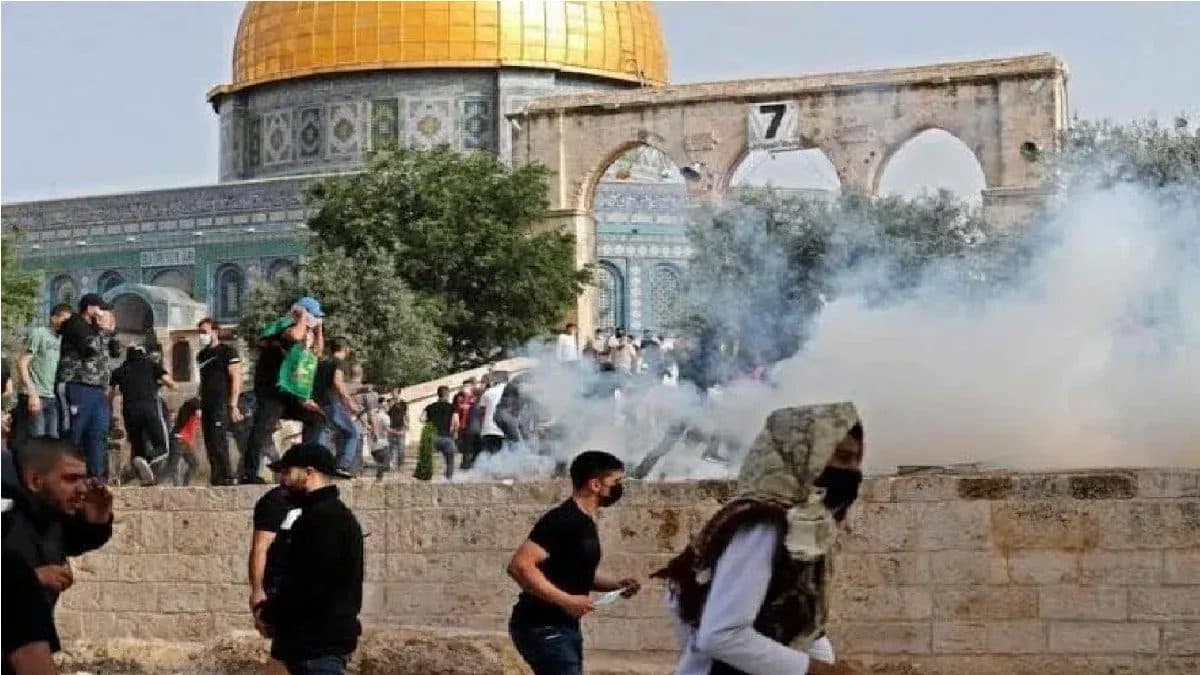
The article centered on the Jerusalem and Al-Aqsa Intifada as a symbol of Palestinian participation within Israel and their political influence. Its peak manifested through mass political activism, posing a threat to the Israeli establishment. In response, Israel adopted three main strategies to dismantle the Arab community: First, banning political activities that mobilize the masses, including targeting Palestinian leaders such as Sheikh Rayed Salah and former deputies Azmi Bishara and Abdulmalik Dehmasheh; second, opening up to liberal economic practices by empowering Arabs with prominent positions and increasing capital, leading to a rise in Arab businesses and banks willing to offer loans; and third, flooding the community with organized crime gangs that collaborate with security agencies and provide financial loans to those rejected by banking institutions. These policies resulted in the decline of active party work, transforming parties into mere symbolic representational positions, and fracturing the community through criminal gangs. Despite these challenges, the memories of the uprising remain a source of strength, symbolizing the latent energy within the Palestinian people—if unity of will is achieved, and the focus is redirected toward collective action and political revival.
Notice: This Is an AI-Generated Summary







Comments (0)