16 Hrs
Source:
شبكة راية الإعلامية
شبكة راية الإعلامية
Ready to play
Ready to play
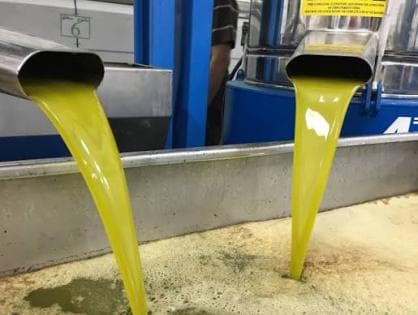
The article addresses the olive harvest season in Palestine, focusing on the importance of olive oil quality, methods for improving it, and the factors that influence it. The report states that there are approximately 269 olive presses in the West Bank, with Jenin Governorate leading olive production, accounting for up to 27% of Palestinian olive output, followed by Nablus, Tulkarm, Ramallah, and Al-Bireh. Experts emphasize that oil quality begins in the farm and is affected by multiple factors, including the type of variety, soil conditions, and harvesting and transportation methods. The milling processes must be carried out properly to minimize losses, which are estimated at around 11% annually, equivalent to approximately 70 million shekels. The article underscores the need to monitor temperature during pressing—especially in the mixing and extraction phases—since temperatures above 27°C can reduce oil quality. The use of modern digital devices is helpful in improving control, but adherence to technical standards and ongoing training are essential to ensure the quality of the final product. It also warns against practices that may negatively affect the oil, such as smoking, smoke entering the facility, and contamination from food residues. The article highlights the importance of quickly transporting the harvested fruits and avoiding long storage times to preserve oil quality. It confirms that producing high-quality olive oil is a shared responsibility among farmers and pressing facilities, stressing the need to reduce losses and strengthen oversight to ensure the best possible Palestinian olive oil production.
Notice: This Is an AI-Generated Summary



Comments (0)