










Meteor showers expected from Halley's remnants
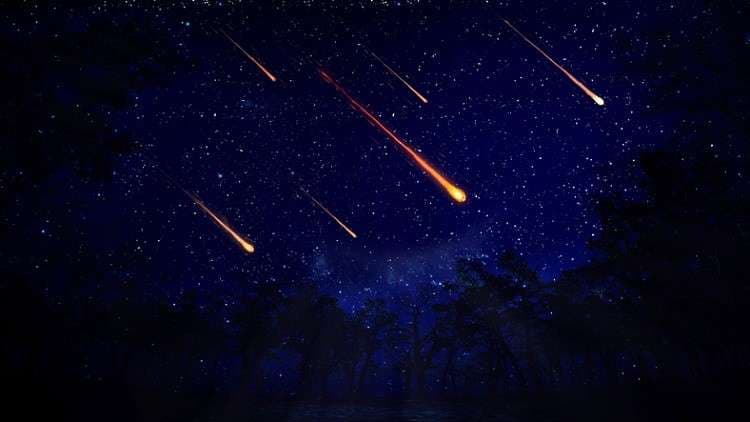
The article discusses the Orionid meteor shower phenomenon expected in 2026, which is projected to reach its peak on the night of Wednesday, October 21, and the early hours of Thursday, October 22. This presents an excellent opportunity for astronomy enthusiasts to observe it with the naked eye. The report indicates that during the peak, there will be an increase in activity, with the possibility of seeing between 10 to 20 meteors per hour under ideal conditions. The meteoroids enter the Earth's atmosphere at speeds of up to 66 kilometers per second. It is recommended to watch the sky from dark, elevated areas away from city lights. Checking weather conditions and moonset times is essential, as factors like dust, clouds, and moonlight can impact visibility. These meteors originate from particles released by Comet Halley and usually appear to emanate from the constellation Orion. Allowing your eyes time to adapt to the darkness will improve your chances of observing them. For the best viewing experience, it is advised to observe large sections of the sky and avoid unfamiliar or obstructed areas.
Notice: This Is an AI-Generated Summary
Comments (0)