






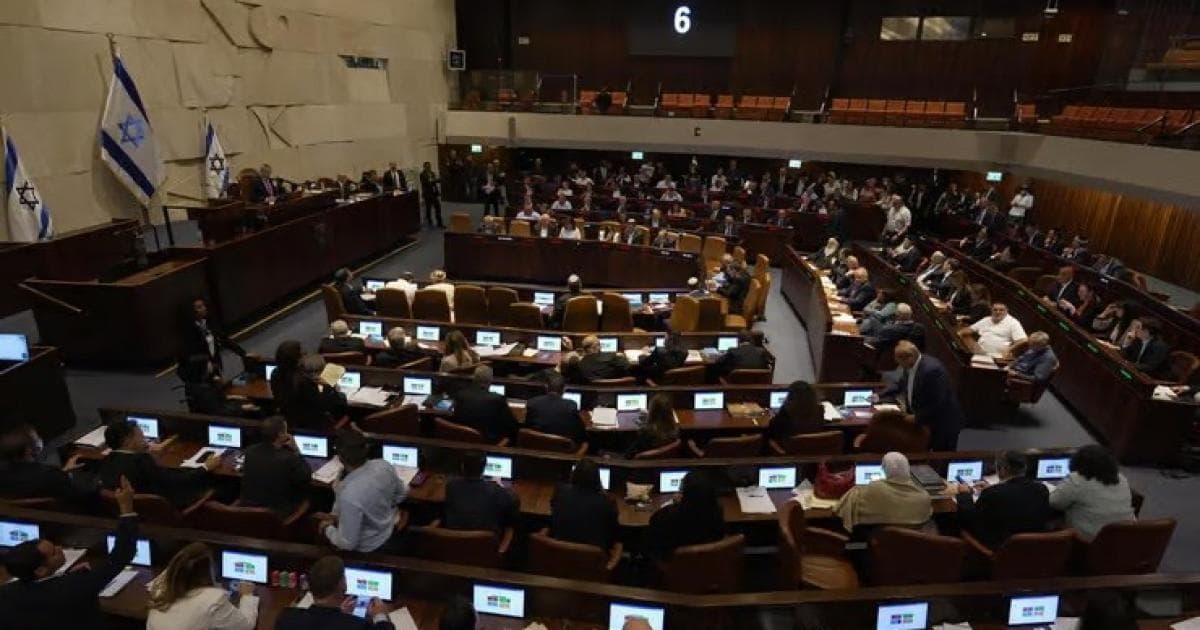

Israeli Elections Process Overview
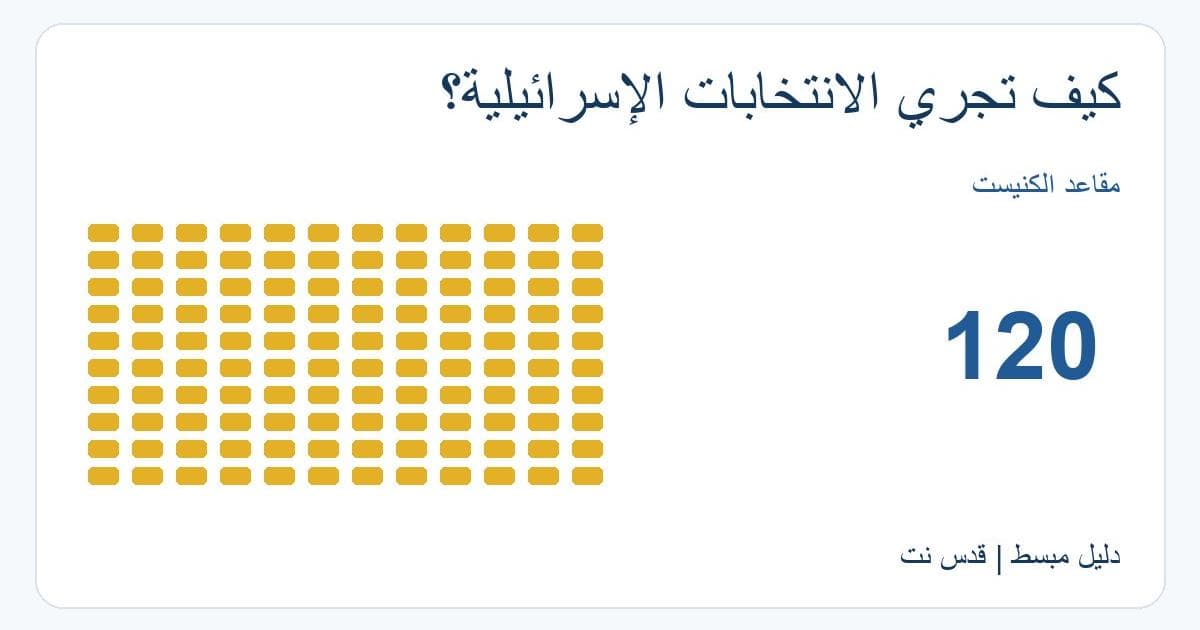
The article explains the electoral system in Israel, where voters cast a vote for a single party list that includes pre-ranked candidates. The 120 parliamentary seats are then distributed among the lists that surpass the 3.25% electoral threshold. The composition of the Knesset is determined by the election results, but the formation of the government depends on political consultations among the parties after the results are announced, rather than directly on the voting outcomes. The article clarifies that the largest party does not automatically guarantee the prime ministership, and that the seat distribution relies on complex rules involving proportional calculations and leftover votes. It also emphasizes the importance of crossing the electoral threshold and the relationship between the voting seats and the actual seats allocated. Additionally, the article explains that voting is conducted secretly within polling stations, and that the Knesset's term lasts four years, with the possibility of early elections. It highlights the significance of the differences between the percentage of votes received, the number of seats allocated, and the process of distributing those seats.
Notice: This Is an AI-Generated Summary
Comments (0)