90 Days_1777294237270_124456903.png&w=64&q=75)
Source:
الوطن
Smart Reader
Ready to play
Smart Reader
Ready to play
Source: الوطن
90 Daysالوطن
Ready to play
Ready to play
Source: الوطن
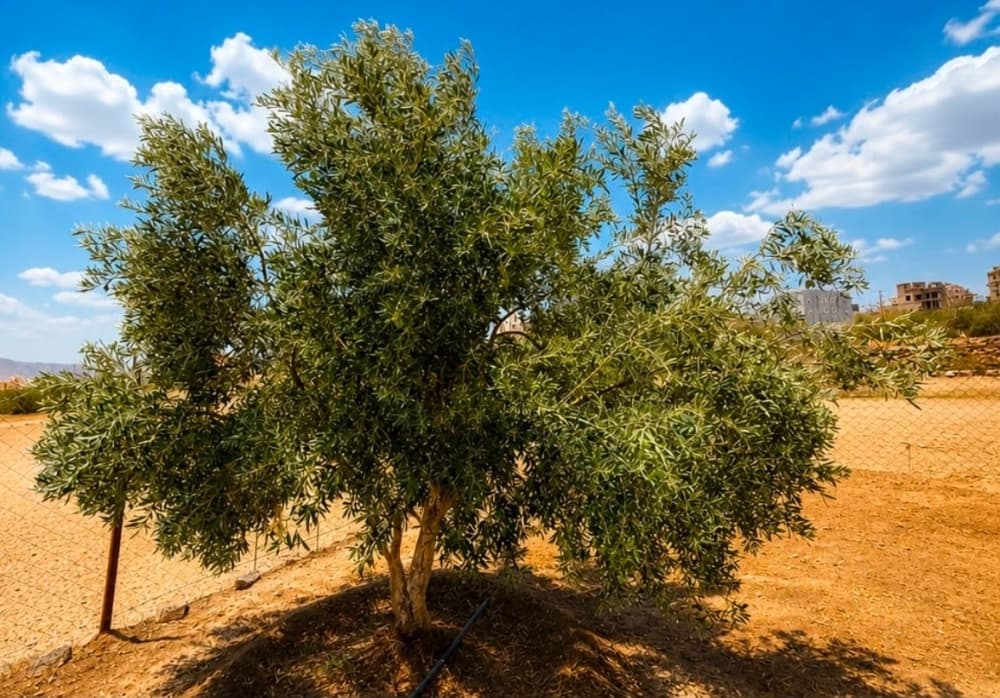
90 DaysThe article discusses the success of olive cultivation in the Al Bahah region of Saudi Arabia, where this tree has become more than just an economic crop; it now serves as a tool for environmental preservation and the promotion of mountain sustainability. The region benefits from a suitable climate and well-drained soil, enabling efficient olive farming that helps protect the soil, revitalize historic terraces, improve water usage, and support biodiversity, particularly in light of climate change. Olive trees also play a vital role in stabilizing the soil, reducing erosion, increasing the resilience of the local environment to challenges, and minimizing wildlife losses, thanks to their high resistance to baboons. Historically, wild olive trees ("Al-’Utham") were part of the natural vegetation in the Sarawat Mountains, which explains the local environment’s readiness to accommodate and adapt to newly introduced commercial varieties. Additionally, scientific efforts and projects approved by the University of Baha and the Ministry of Environment, Water and Agriculture have contributed to the sector's development. The success of olive cultivation extends beyond economic output to serve as a model for sustainable development and the green economy, emphasizing the importance of preserving historic terraces and their role in adapting to climate change.
Notice: This Is an AI-Generated Summary
Comments (0)