_1777294237270_124456903.png&w=48&q=75)


Pregnancy hormone impacts hepatitis
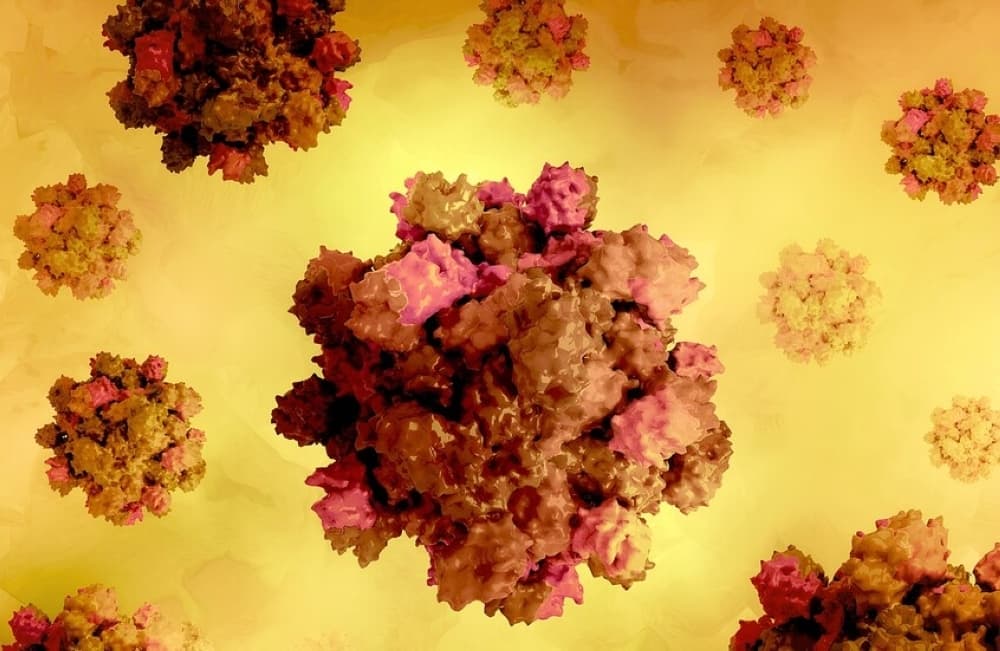
A biological study has found that elevated levels of placental prolactin hormone during pregnancy enhance the replication of the hepatitis E virus, particularly in the third trimester. Research shows that this hormone increases the production of specific types of fats, such as oleic acid and phosphatidylethanolamine, which the virus uses to replicate more effectively within cells. To explain the serious complications associated with the virus during pregnancy, such as liver failure and fetal issues, experiments demonstrated that disrupting fat production pathways significantly reduces viral replication. This opens up prospects for studying future treatments that target these pathways. However, studies on humans are still necessary to evaluate the feasibility of applying these findings to develop safe and effective therapies for pregnant women infected with the virus.
Notice: This Is an AI-Generated Summary
Comments (0)