_1777294237270_124456903.png&w=64&q=75)








Al-Ahsa Sees 44,000 Visitors
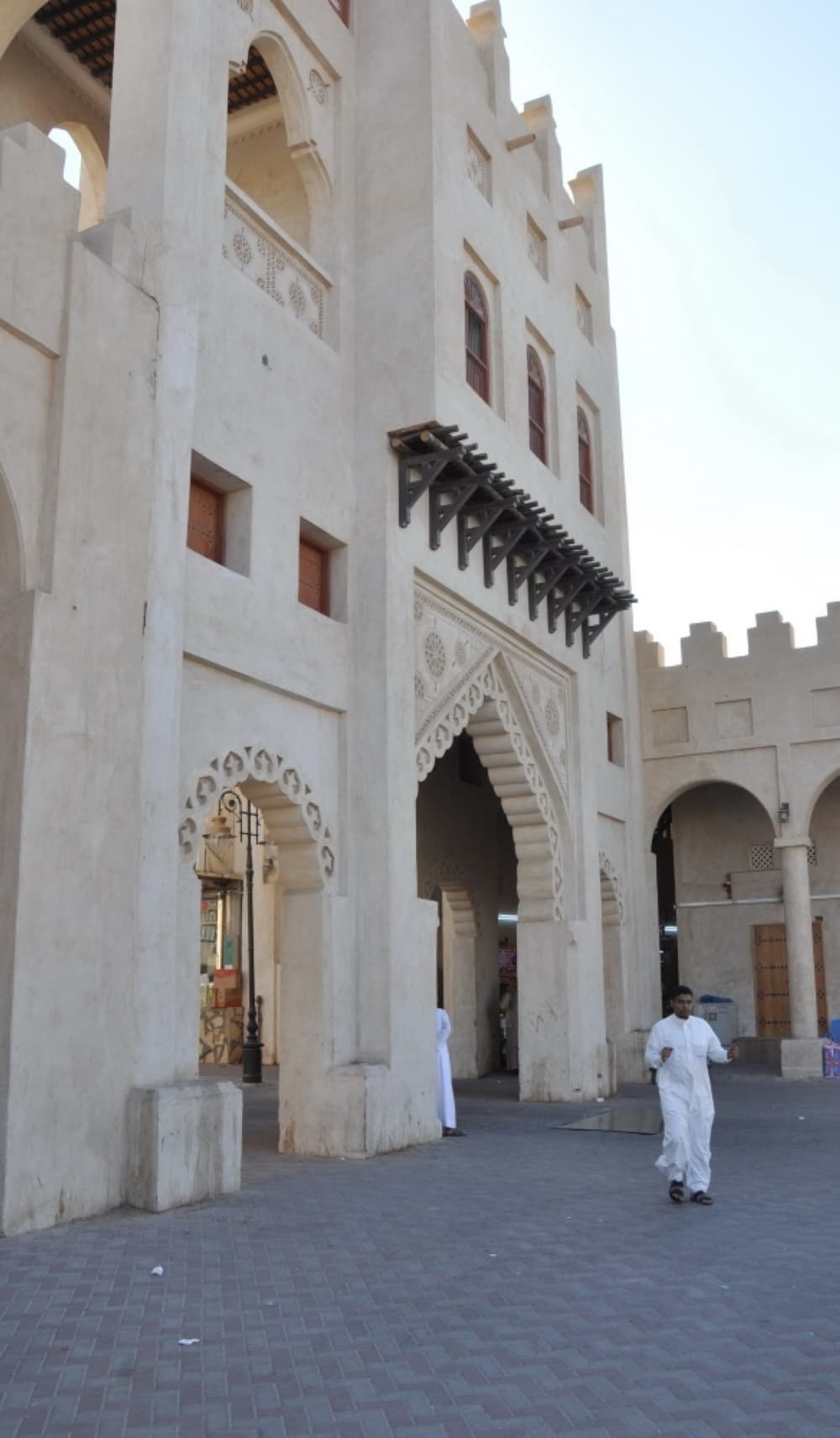
The article discusses the history and estimated population of the cities of Al-Hofuf and Al-Mubarraz in Al-Ahsa during the visit of the British traveler William Gilbreath between 1862 and 1863. He estimated the population at around 44,000, with approximately 24,000 residing in Al-Hofuf and at least 20,000 in Al-Mubarraz. Gilbreath described Al-Hofuf as a large city with an elliptical shape, centered around a main square connected to three principal neighborhoods: Al-Kout, Al-Riffa, and Al-Naaithil. He noted that Al-Kout was a fortified district housing the palace, mosque, and administrative buildings, while Al-Riffa was reserved for the elites, and Al-Naaithil was the largest commercial and artisanal neighborhood. As for Al-Mubarraz, it lay about three miles north of Al-Hofuf and was distinguished by palm cultivation and gazelle herding, with an economic difference in that its wealth depended on land ownership. Gilbreath mentioned the Qaysariya Market as the most important market in the city, and the Al-Aqeer port, which played a vital role in connecting Al-Ahsa with the Gulf, Iraq, and India. He also praised the agricultural production, especially the "Khalas" dates, as well as the hospitality and generous hosts of the Al-Ahsa inhabitants. Gilbreath left Al-Ahsa with a positive impression, commending the beauty of Al-Hofuf and considering it among the oldest and most beautiful cities in the Arabian Peninsula.
Notice: This Is an AI-Generated Summary
Comments (0)