_1777294237270_124456903.png&w=64&q=75)





Hormuz Loses Energy Monopoly
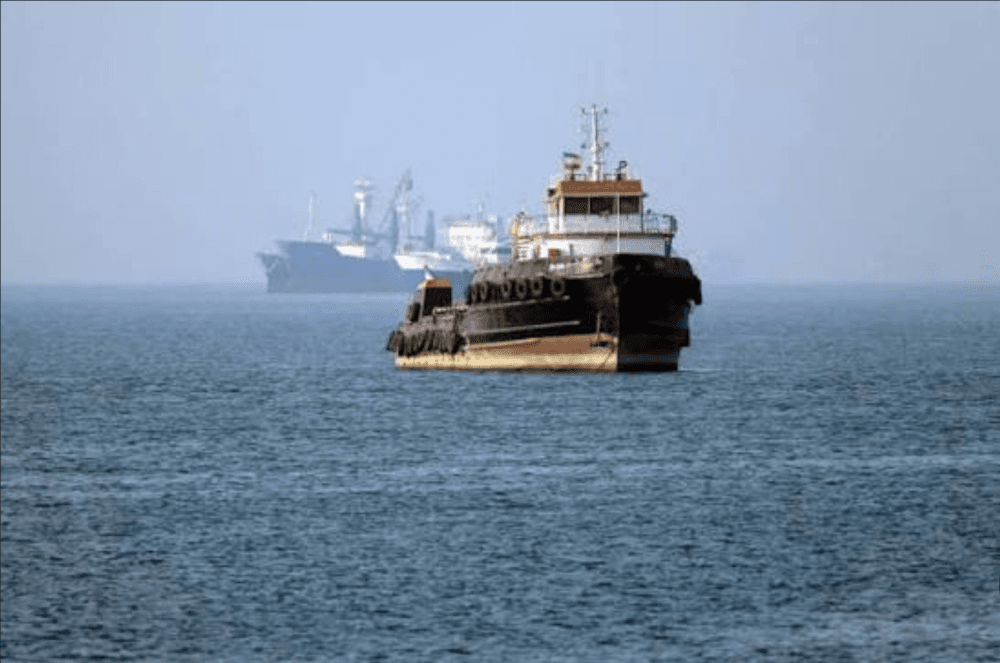
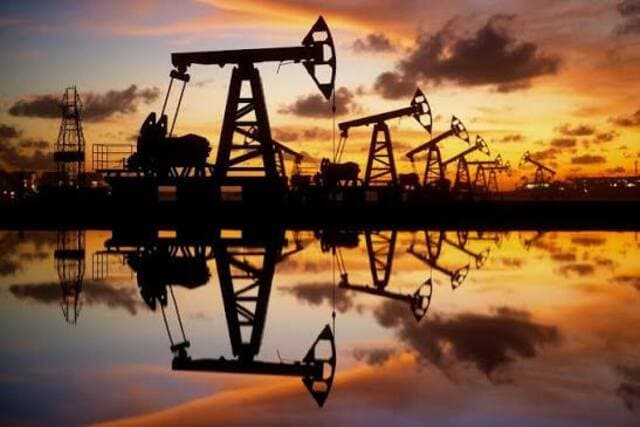
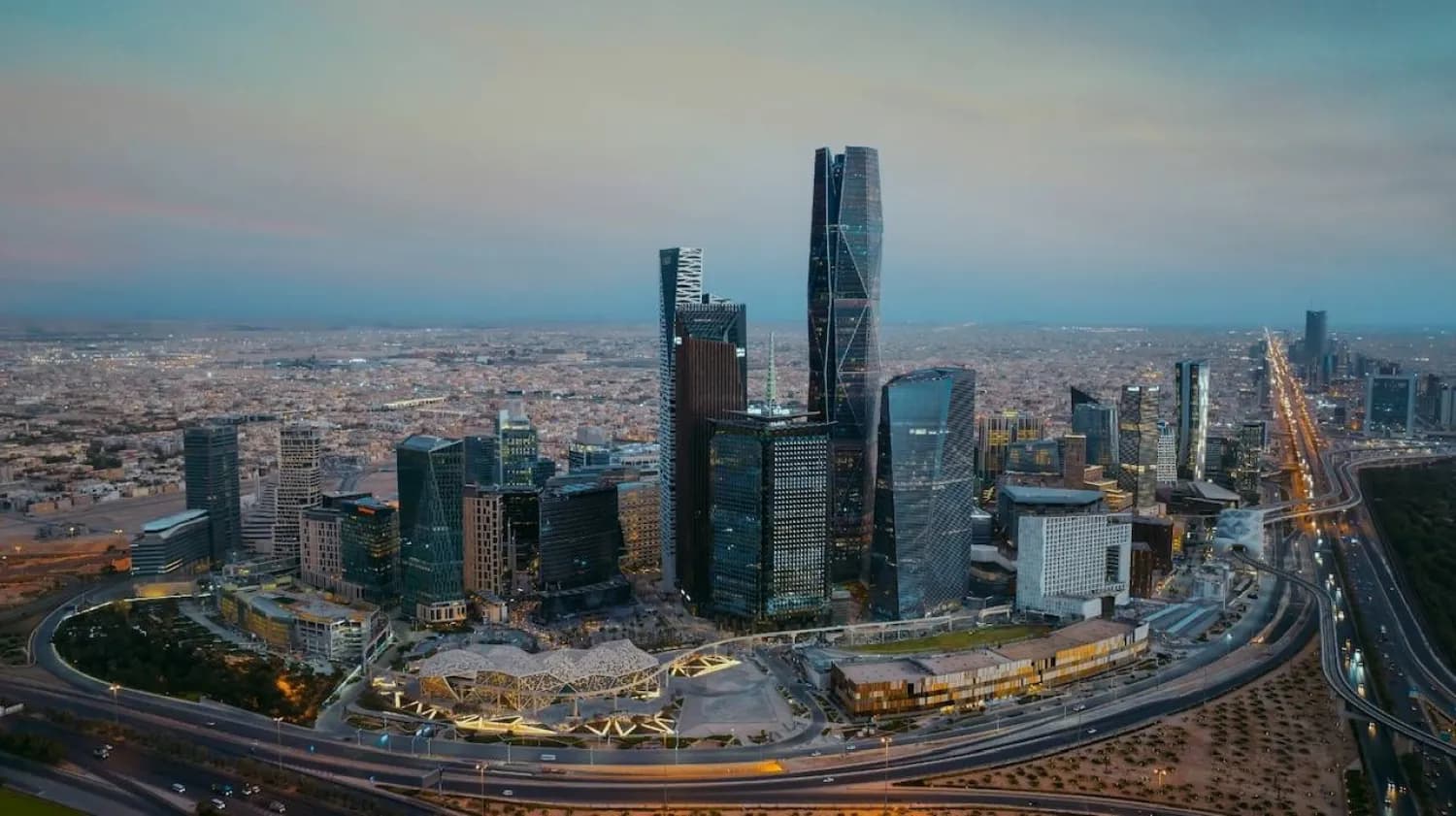
The article discusses the shift in oil export strategies in the Gulf due to increased Iranian escalation and security threats to maritime routes. Gulf countries and Iraq are moving toward establishing or expanding seven major alternative pipeline projects to bypass the Strait of Hormuz, with an expected addition of approximately 4 million barrels per day by the end of 2027 and 7 million barrels by 2028. This aims to distribute geopolitical risks and reduce reliance on a single maritime corridor. The study highlights that these projects diminish the impact of military and terrorist threats on oil supplies but also emphasize the growing importance of protecting land-based infrastructure such as pumping stations. Meanwhile, Iranian threats continue through cyberattacks, missile strikes, and drone assaults. Data shows a decline in maritime traffic through the Strait of Hormuz to its lowest levels since July, with oil transit dropping by 27%. Meanwhile, oil exports through the Gulf of Oman and the Red Sea have increased, reflecting the start of a diversification strategy for regional oil export routes.
Notice: This Is an AI-Generated Summary
Comments (0)