_1777294237270_124456903.png&w=64&q=75)








Gene therapy improves vision
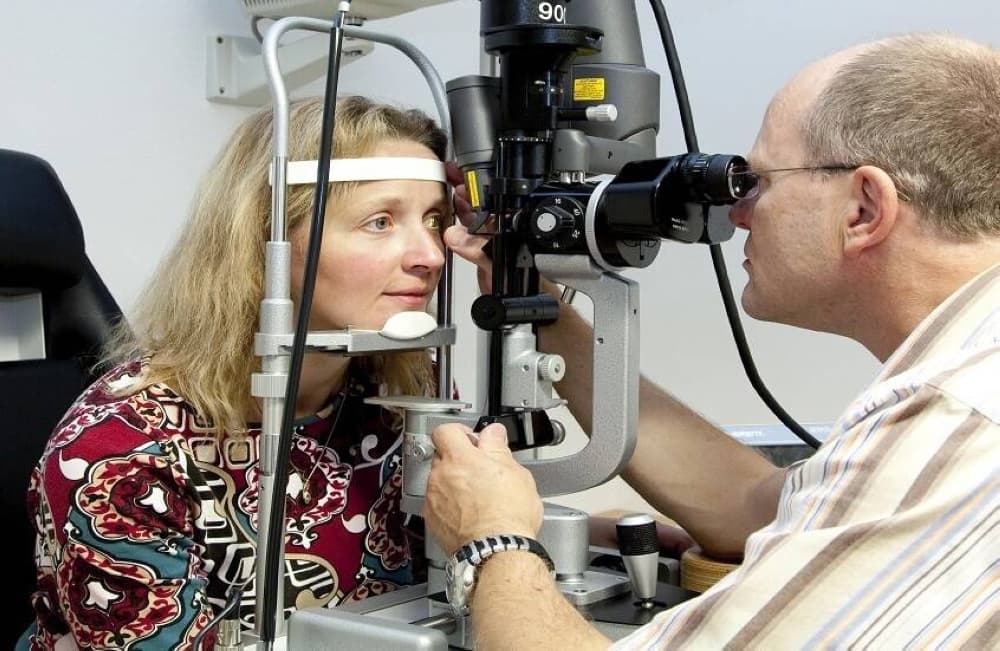
The article discusses the success of a genetic medical experiment in restoring some degree of vision in patients with inherited blindness. The study focused on a disease called retinitis pigmentosa, a hereditary condition that causes the degeneration of retinal cells responsible for detecting light and leads to gradual vision loss. The treatment involved injecting a genetic material to enhance the remaining eye cells' sensitivity to light, using a technique known as optogenetics. Patients were also equipped with glasses fitted with a camera that converts the scene into light signals sent to the modified cells. The treatment showed an improvement in light sensitivity in the eyes of 7 out of 10 participants, with the improvement persisting for several months or years. Brain scans indicated that the brain could still process visual information even after long-term blindness. However, despite these positive results, the eyes did not fully regain the ability to read or distinguish detailed features, and the technique remains in the experimental stage.
Notice: This Is an AI-Generated Summary
Comments (0)