7 Hrs_1777292798912_197359786.jpg&w=64&q=75)
Source:
عكس السير
عكس السير
Ready to play
Ready to play
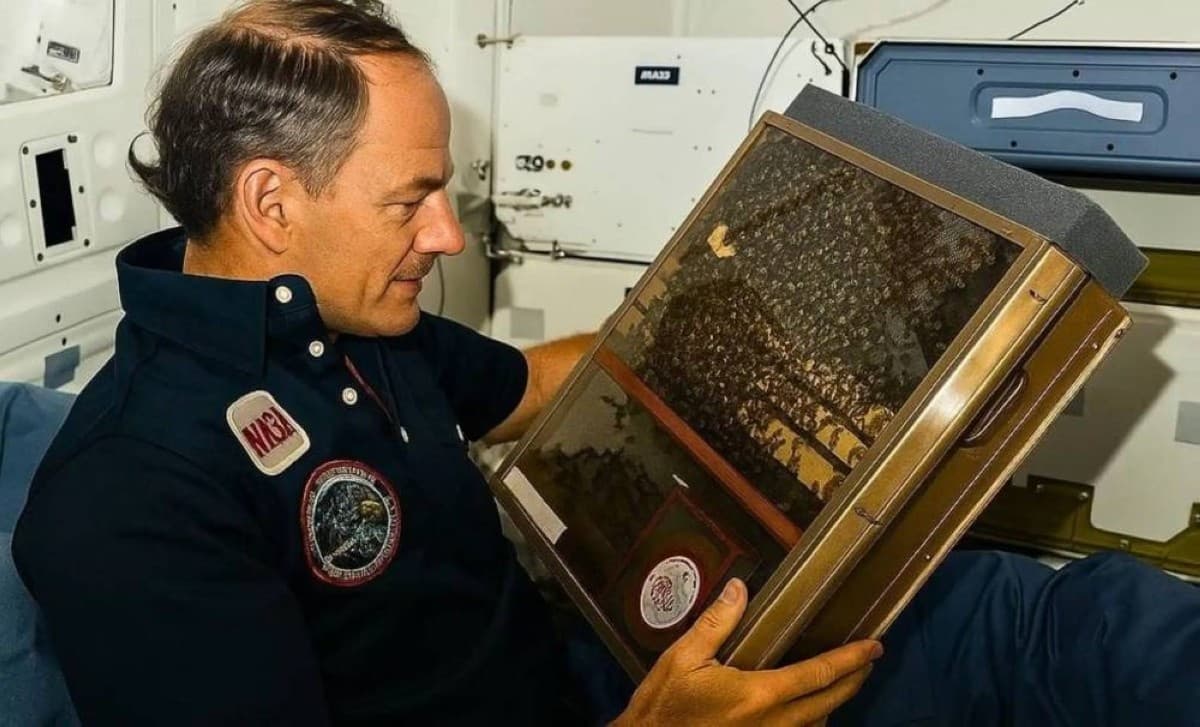
In 1984, NASA conducted a unique experiment involving approximately 3,400 bees as part of a space mission aboard the Space Shuttle Challenger to study their ability to build honeycombs in zero gravity. The results showed that the bees were able to construct a honeycomb with measurements similar to those on Earth, with observations of changes in the orientation of the cells, reflecting the influence of gravity absence on their behavior. The experiment also revealed that temperature plays a significant role in the amount of wax produced, as the temperature inside the space colony was close to the optimal level for production. However, none of the queen's eggs hatched after the return, raising questions about the reasons for the halted development, even though the experiment confirms that bees primarily retain the structural dominance of honeycomb engineering and adapt to the space environment, despite its limited scope and lack of repetition.
Notice: This Is an AI-Generated Summary







Comments (0)