_1777292798912_197359786.jpg&w=64&q=75)






Syrian Containers Stuck in Mersin and Iskenderun
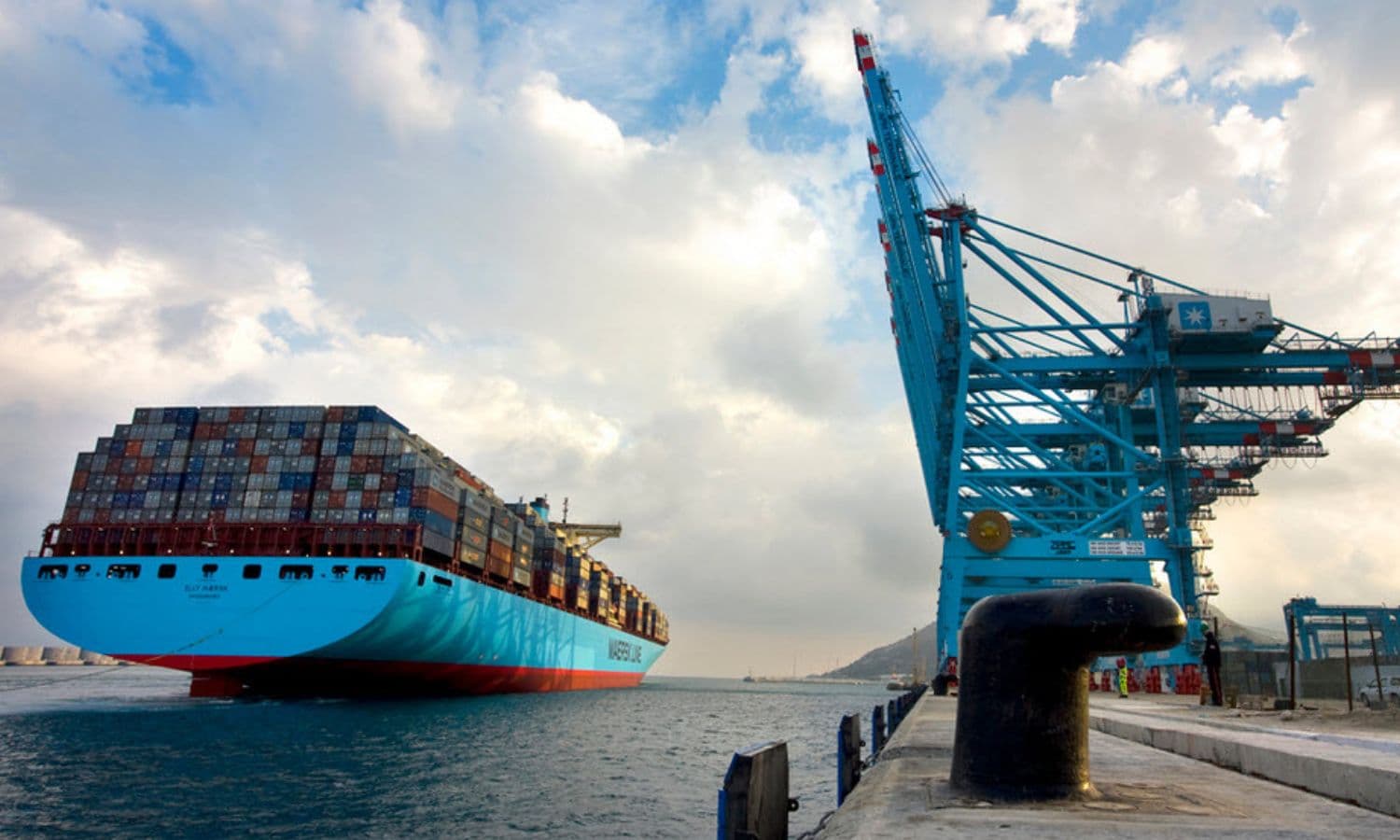
Syria-based companies and traders have been facing increasing pressures for weeks when shipping through the Turkish ports of Mersin and Iskenderun. This is due to heightened regional transshipment activity following the conflict with Iran, as well as disruptions in shipping routes across the Gulf and the Strait of Hormuz. Consequently, there has been a shift of a larger share of trade through Turkey, especially via land routes and Turkish ports. This change has placed significant pressure on container traffic destined for Syria, with land freight costs soaring by up to 150%. Additionally, delay and storage fees have increased, sometimes reaching $100 per day per container, further raising import costs. At the same time, some importers have begun routing shipments directly to Syrian ports such as Latakia and Tartous. Although sea shipping from these ports may be longer and more expensive, the overall costs of land transit and delays make direct shipping currently more practical. Despite the recovery and increased capacity of Syrian ports, congestion and disruptions at the border crossings and land transit routes remain major causes of delays and increased expenses. This situation has revived discussions about the viability of relying on Turkish ports as an alternative middle route for goods headed to Syria.
Notice: This Is an AI-Generated Summary
Comments (0)