1 Day
Source:
تونزي تيليغراف
تونزي تيليغراف
Ready to play
Ready to play
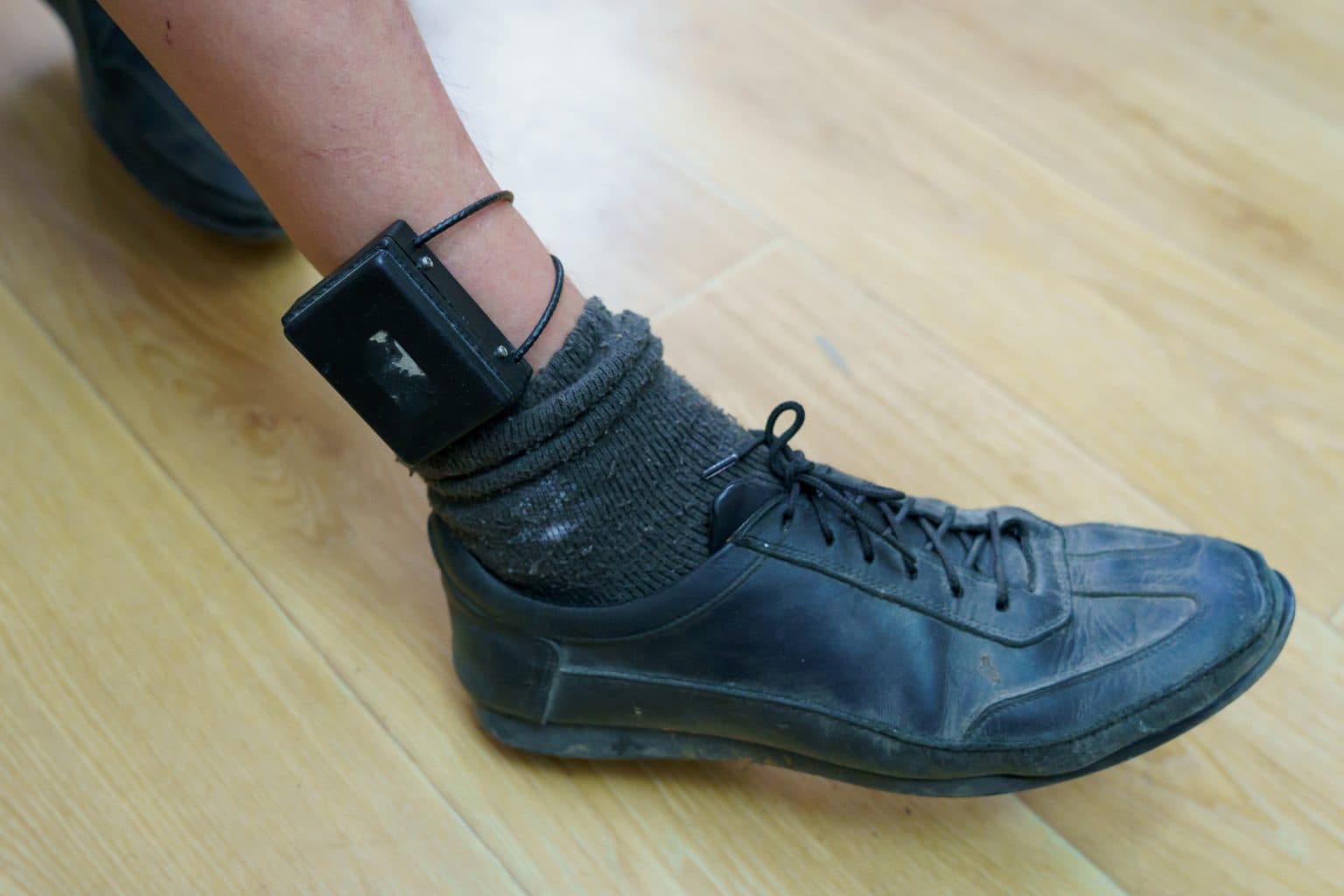
The article addresses the problem of overcrowded prisons in Tunisia, which exceed their capacity by more than double, with over 33,000 inmates in facilities designed for 17,000 beds. One modern alternative being considered to alleviate prison pressure is the use of electronic bracelets, especially for short-term sentences and petty offenses, aiming to reduce costs while balancing security and human rights. The article explains that the electronic bracelet system operates with a device attached to the wrist of the monitored individual, connected to a central platform to ensure compliance with judicial conditions. If violations occur, the system can be deactivated, returning the person to prison. International experiences from countries like the Netherlands, Italy, and Spain demonstrate that the success of such systems requires an integrated approach involving the judiciary, police, and social services, and that it generally reduces costs compared to incarceration. Experts emphasize that implementing this solution calls for completing the legal framework, establishing a national monitoring center, and providing modern technological equipment. Additionally, broader justice system reforms are necessary to reduce overcrowding and achieve a balance between security and human rights.
Notice: This Is an AI-Generated Summary





Comments (0)