23 Hrs
Source:
الشروق التونسية
الشروق التونسية
Ready to play
Ready to play
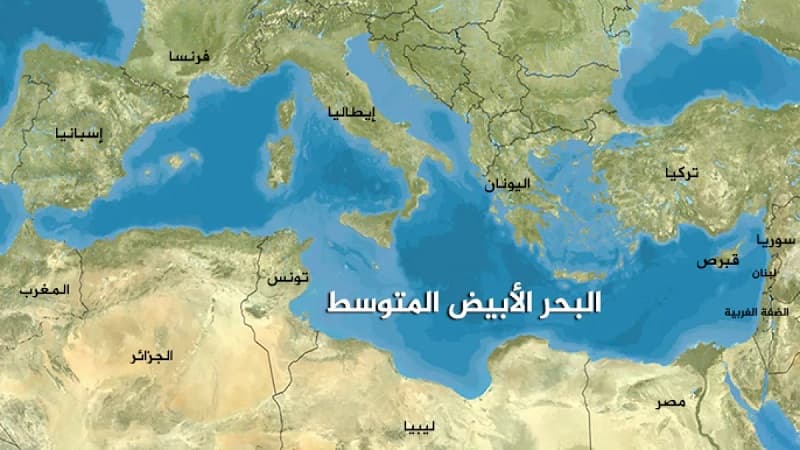
During the summer of 2026, the Mediterranean Sea experienced an unprecedented and record-breaking rise in temperatures, reaching around 30°C in the Gulf of Gabès in Tunisia. This reflects the escalating impact of climate change and poses a threat to marine biodiversity. Ongoing marine heatwaves are exerting thermal stress on marine organisms such as fish, corals, and sponges, leading to mass die-offs and disrupting ecological balance. Studies predict that water temperatures could rise between 1.8 and 3.5 degrees Celsius by 2100. This temperature increase coincided with environmental phenomena like red tides and algal blooms, which deplete oxygen levels and exacerbate hypoxia. Additionally, the rising water temperatures facilitated the spread of invasive and migratory species, such as the blue crab and pufferfish, further stressing native species and threatening ecological stability. Experiences emphasize the importance of reducing pollution and human pressures to strengthen the resilience of marine ecosystems. Doing so is crucial for preserving fish stocks and supporting the blue economy in the region.
Notice: This Is an AI-Generated Summary





Comments (0)