23 Hrs
Source:
تونزي تيليغراف
تونزي تيليغراف
Ready to play
Ready to play
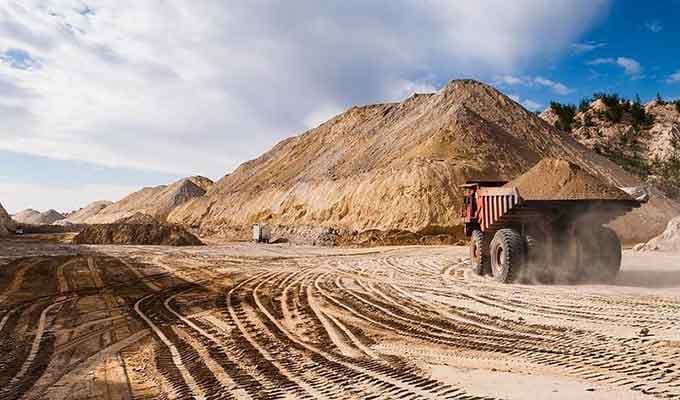
The article focuses on the announcement by the U.S. Embassy in Tunisia regarding a grant exceeding $1.5 million to support a project aimed at promoting investment in the Tunisian phosphate sector, a strategic industry historically controlled by the state for decades. While the announcement emphasizes support for transparent investment, technological development, and global supply chains, the initiative raises questions about the United States' true intentions regarding reform or restructuring of the sector—especially given its monopolistic history and the challenges associated with privatization. This interest comes within the context of global geopolitical shifts, considering phosphate as a vital material for fertilizer production and food security. The region, particularly Tunisia and Morocco, holds strategic significance as a primary or potential source. Furthermore, the focus on concepts like "commercial diplomacy" reflects the U.S. goal of diversifying supply sources and strengthening trade relations—without explicitly mentioning privatization or involvement in mining exploitation—thus sparking discussions about the sector’s future and the possibility of reform within a broader strategic framework.
Notice: This Is an AI-Generated Summary





Comments (0)