22 Hrs
Source:
تونزي تيليغراف
تونزي تيليغراف
Ready to play
Ready to play
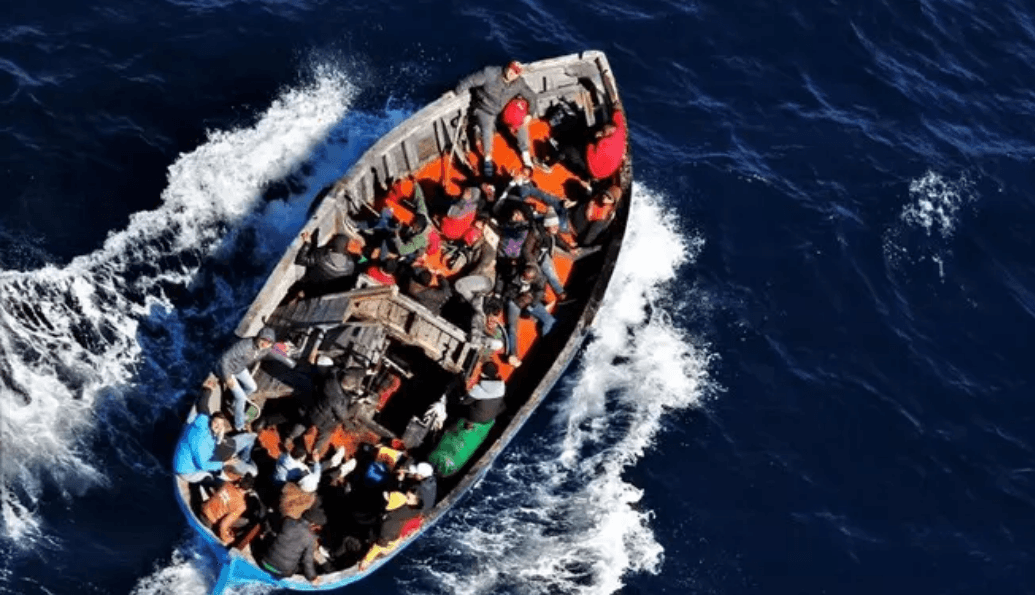
The article discusses the differences in European policies towards Tunisia and Morocco in addressing irregular migration. In Tunisia, European aid focuses on operational and security aspects at sea, supporting search and rescue equipment and training. The model emphasizes enhancing the capabilities of the Coast Guard and developing maritime operations, especially after the 2023 crisis that turned Tunisia into a primary launching point for migrants heading to Italy. In contrast, Morocco's approach is broader, involving support for institutions and the national budget, along with long-term strategies dating back to 2000 that concentrate on development, public administration, monitoring border capacities, protection, and lawful employment of migrants. The main difference between the two models is that Tunisia relies mainly on maritime equipment and operations, while Moroccan support encompasses institutional capabilities and national policies. This reflects their geographic locations and migration route distributions, with a decline in sea attempts toward Spain and an increase in land routes toward Ceuta and Melilla. Data also shows that enhanced monitoring efforts have led to a significant decrease in migration towards Italy, alongside increased repatriations and legal cooperation—though these have faced human rights criticisms concerning potential violations of migrants’ rights. In summary, European policies mirror the nature of each country's relationships and are guided by each model's orientation, aligning with their geographical positions and national priorities.
Notice: This Is an AI-Generated Summary



Comments (0)